
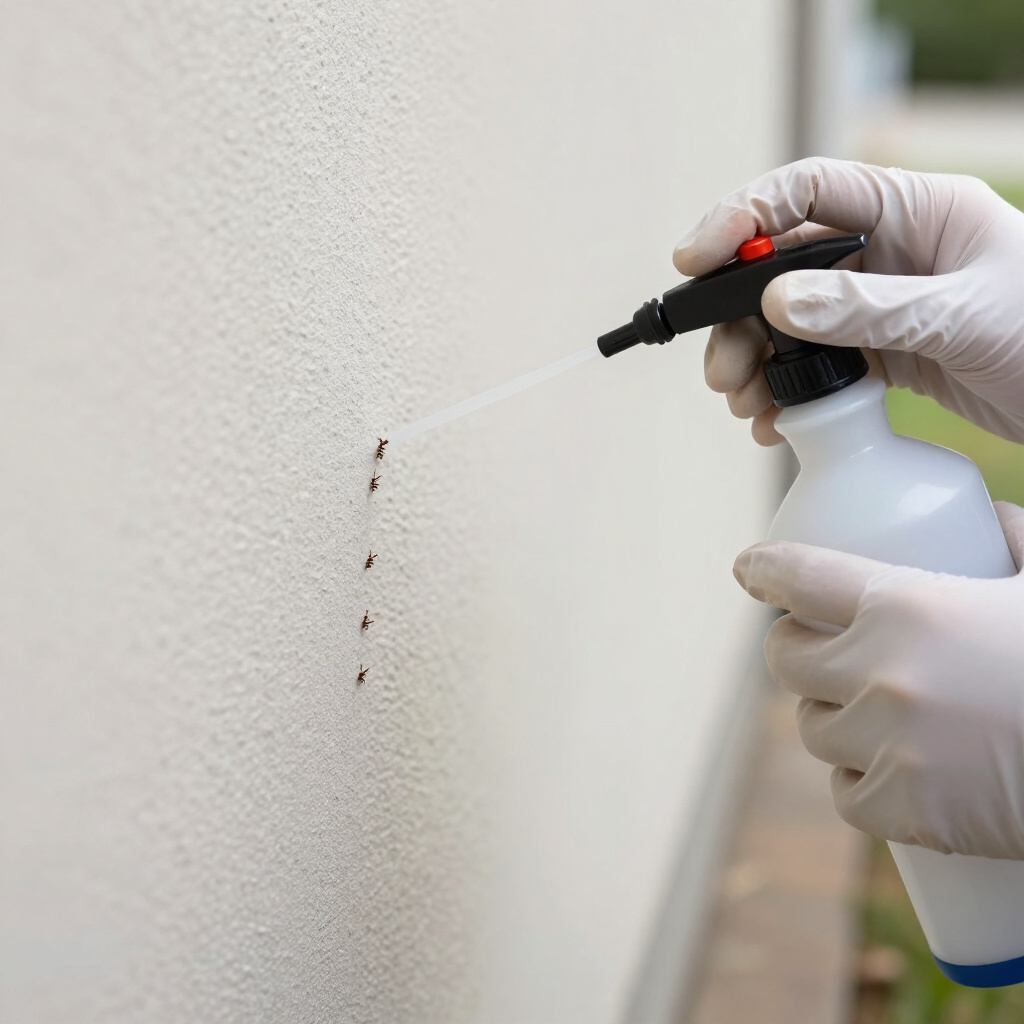

How to Choose a Pest Control Professional in Park City
Finding the right pest control provider in Park City means understanding what makes this mountain community unique. Situated at over 7,000 feet in elevation with cold, snowy winters and mild summers, Park City's climate creates distinct pest pressures that differ from lower-elevation areas in Salt Lake County.
When evaluating pest control companies, prioritize those with specific experience in mountain resort communities. Look for providers who understand how seasonal tourism affects pest activity—vacation rentals and second homes left unoccupied for weeks can become prime targets for rodents seeking winter shelter. Ask potential companies how they handle the freeze-thaw cycles that drive pests indoors and whether they adjust treatment schedules for seasonal residents.
Licensing through the Utah Department of Agriculture and Food is mandatory, but expertise matters equally. Confirm technicians carry structural pest control and fumigation certifications where applicable. Request proof of insurance covering both general liability and workers' compensation. Local references from Old Town, Deer Valley, or Prospector neighborhoods carry more weight than generic testimonials, as these areas present different access challenges and property types.
Environmental sensitivity should factor into your decision. Park City's proximity to wilderness areas and its strong conservation ethic mean many homeowners prefer reduced-impact treatment options. Ask about integrated pest management approaches, bait stations versus perimeter sprays, and whether products are selected with watershed protection in mind.
What to Expect from Pest Control Services in Park City
Initial service typically begins with a comprehensive inspection that accounts for Park City's specific conditions. Technicians will examine foundation gaps that form as structures settle on mountain terrain, check rooflines where ice dams create entry points, and assess garage and utility areas where warm exhaust attracts rodents during cold months. Expect the inspector to ask about your occupancy schedule—full-time residents, weekend visitors, and rental properties each require tailored approaches.
Treatment implementation follows a strategic timeline. Spring services focus on emerging wasp queens, carpenter ants awakening from dormancy, and perimeter barriers before summer activity peaks. Fall treatments emphasize rodent exclusion before temperatures drop, often involving sealing entry points with materials rated for extreme cold. Winter visits may concentrate on interior monitoring and addressing issues in heated spaces where pests congregate.
Communication protocols vary by provider. Many Park City companies offer digital reporting with photos of problem areas, particularly valuable for absentee owners managing properties remotely. Recurring service agreements typically range from quarterly to monthly depending on property vulnerability and surrounding landscape density. Snow removal and access limitations during winter months may require flexible scheduling.
Available Pest Control Services
Providers throughout the Park City area offer comprehensive solutions addressing the region's most prevalent pest concerns.
Rodent Control and Exclusion
Mice and voles represent year-round challenges, with deer mice particularly active in forested areas surrounding the city. Services include trapping, baiting programs designed to minimize non-target wildlife exposure, and structural exclusion sealing gaps as small as one-quarter inch. Vole management protects landscaping and turf from tunneling damage common in larger properties.
Stinging Insect Management
Yellow jackets and paper wasps build nests in eaves, deck structures, and ground cavities during warmer months. Professional removal addresses safety concerns for outdoor living spaces heavily utilized during Park City's summer tourism season. Hornet nest elimination in elevated or difficult locations requires specialized equipment and protective protocols.
Ant and Occasional Invader Control
Carpenter ants threaten structural integrity in moisture-prone wooden construction, while pavement ants and odorous house ants enter homes seeking food and water. Perimeter treatments and interior baiting programs manage these species. Boxelder bugs, cluster flies, and millipedes also respond to targeted seasonal applications.
Wildlife and Nuisance Animal Services
Proximity to undeveloped land brings raccoons, skunks, and squirrels into conflict with residential areas. Humane trapping and relocation, when permitted by Utah regulations, paired with habitat modification recommendations reduce repeat encounters. Bat colony exclusion requires timing that avoids maternity seasons and follows protective guidelines.
Bed Bug and Stored Product Pest Treatments
Vacation rental turnover creates elevated bed bug introduction risk. Heat treatment and targeted insecticide applications eliminate infestations with minimal disruption to rental calendars. Pantry pests including Indian meal moths and various beetles affect homes with seasonal provisioning patterns.
Frequently Asked Questions
How does Park City's high elevation affect pest activity compared to Salt Lake Valley?
Shorter growing seasons and colder temperatures generally reduce insect reproductive cycles, leading to lower overall pressure during summer. However, the extended heating season from October through April drives rodents and overwintering insects indoors for six months or longer, creating more concentrated interior problems than valley locations experience.
Are pest control treatments safe around pets and ski equipment stored in garages?
Professional providers select application methods and products appropriate for residential environments with stored recreational gear. Bait stations in locked, tamper-resistant containers, targeted crack-and-crevice applications, and exterior perimeter treatments minimize exposure risks while protecting equipment from rodent damage.
How quickly can service be arranged for a vacation rental between guest stays?
Many Park City pest control companies maintain scheduling flexibility for the hospitality sector, with some offering same-day or next-day response for urgent situations. Coordinating treatment timing with cleaning and turnover schedules ensures properties remain guest-ready without unnecessary vacancy periods.
What preventative measures work best for unoccupied second homes?
Effective strategies include professional-grade exterior bait stations monitored during absence, sealing all utility penetrations and foundation gaps, installing door sweeps on garage entries, maintaining minimal interior temperatures to reduce condensation attraction, and arranging periodic inspections during extended vacancy periods.