

Common Pest Control Problems in Sandy
Sandy's location at the base of the Wasatch Mountains creates unique pest challenges that differ from other Salt Lake County communities. The city's rapid transition from residential neighborhoods to wildland interface means homes here face pressure from both urban pests and wildlife encroaching from nearby foothills and canyons.
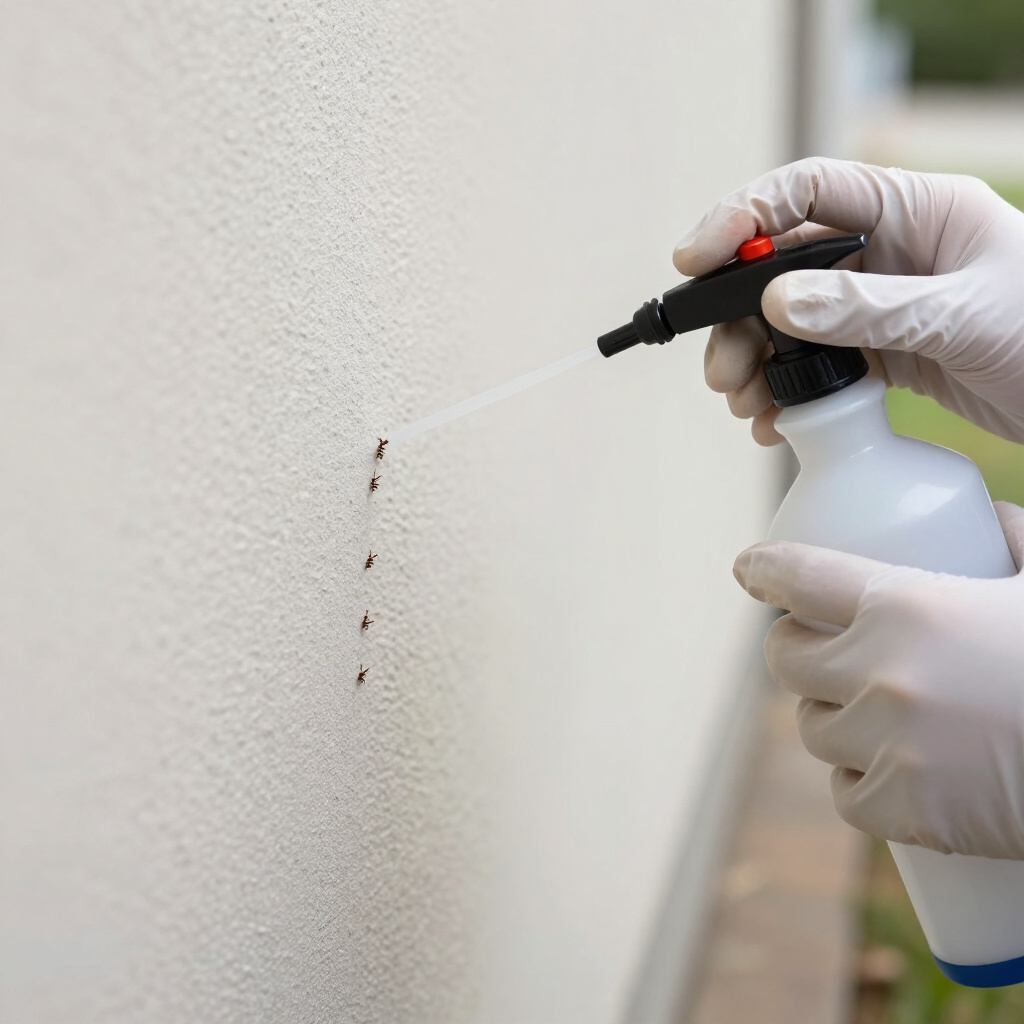
Ant infestations rank among the most frequent complaints, with pavement ants and carpenter ants exploiting the sandy, well-draining soil that gives the city its name. These colonies establish extensive tunnel networks, often entering homes through foundation cracks that develop in the area's expansive clay soils. During summer drought periods, ant activity indoors spikes dramatically as colonies seek moisture.
Boxelder bugs and elm seed bugs present seasonal headaches unique to Sandy's mature tree canopy. Neighborhoods with established boxelder, maple, and elm trees experience overwhelming fall invasions as these insects mass on south-facing walls seeking entry points. The city's elevation variation means some hillside homes see infestations weeks before valley-floor properties.
Spider problems escalate in homes backing open space or undeveloped hillside parcels. Hobo spiders and black widows favor the dry, rocky terrain prevalent in Sandy's eastern bench areas. Basement levels and crawl spaces in older homes near historic Sandy or along the eastern foothills require particular vigilance.
Rodent pressure intensifies during winter months when field mice and voles migrate from snow-covered open lands into residential areas. The ongoing development along the city's eastern edge continuously disrupts wildlife corridors, pushing rats and mice toward established neighborhoods with consistent food and shelter sources.
Wasps and yellowjackets exploit Sandy's warm, dry summers, with aerial nests in eaves and ground nests in landscaping presenting stinging hazards through October. The extended warm season at lower elevations compared to nearby mountain communities means wasp activity persists longer here than in higher Salt Lake County locations.
How We Help Sandy Homeowners
Effective pest management in Sandy requires understanding the specific microclimates across this geographically diverse city. Our technicians address the distinct challenges facing hillside homes in Granite, established neighborhoods near Historic Sandy, newer developments in the south end, and properties bordering the Jordan River corridor.
We begin with thorough perimeter inspections identifying construction-specific vulnerabilities common in Sandy's housing stock. Split-level and walkout basement designs prevalent in bench-area homes create multiple ground-contact points that require strategic treatment approaches. Our exclusion work targets the foundation gaps, weep holes, and vent openings that pests exploit in local architectural styles.
Seasonal treatment programs align with Sandy's pest pressure patterns—increased ant and spider prevention during spring warming, targeted flying insect reduction before summer peak, and comprehensive rodent-proofing ahead of winter migration. Flexible scheduling accommodates the demanding lifestyles common in this active outdoor community.
For properties adjacent to wildland areas, we implement buffer zone management reducing wildlife attractants without disrupting the natural surroundings that make Sandy desirable. Integrated approaches minimize environmental impact while maintaining protective barriers against persistent pest pressure from adjacent open space.
Pest Control Services Available in Sandy
Residential Pest Control
Comprehensive protection for single-family homes, townhomes, and condos throughout Sandy's varied neighborhoods. Programs customized for property age, construction type, and surrounding environment.
Ant Control
Targeted elimination of pavement ants, carpenter ants, and harvester ants using baiting systems and perimeter treatments suited to Sandy's soil conditions.
Spider Control
Interior and exterior spider management with particular attention to hobo spider and black widow habitats common in foothill properties.
Rodent Control
Exclusion-based mouse and rat programs addressing entry prevention, population reduction, and sanitation guidance for homes experiencing wildlife migration.
Stinging Insect Control
Safe removal of wasp, hornet, and yellowjacket nests from structures, landscaping, and ground locations with protective treatments preventing reestablishment.
Seasonal Invader Management
Boxelder bug, elm seed bug, and millipede control with fall-preventive exterior treatments and targeted interior remediation.
Pest Control Pricing in the Sandy Area
Pest control costs in Sandy reflect the specific treatment intensity required for local conditions rather than generic regional averages. Initial service for a typical single-family home ranges from $149 to $249 depending on pest type, infestation severity, and property size.
Ongoing protection programs offer the most economical approach for Sandy's persistent pest pressures. Quarterly maintenance plans generally run $89 to $129 per visit, with bi-monthly service during peak seasons available for properties experiencing heavier pressure. These scheduled programs include unlimited callback coverage between visits at no additional charge.
Specialized treatments command premium pricing reflecting their complexity. Carpenter ant remediation requiring interior wall void injection and exterior colony location typically starts at $299. Comprehensive rodent exclusion combining trapping, sealing, and follow-up inspection generally ranges from $349 to $599 based on home size and entry point complexity.
Was nest removal pricing depends on accessibility and nest size, with most standard eave or ground nests addressed for $149 to $199. Warrantied re-treatment guarantees accompany all stinging insect services through the active season.
We provide detailed written estimates before any work begins, with no obligation consultations available to assess specific property needs across Sandy's diverse neighborhoods.
Frequently Asked Questions About Sandy Pest Control
Why do Sandy homes have more ant problems than other Salt Lake County areas?
Sandy's namesake sandy soils and well-draining terrain create ideal conditions for pavement ant colony expansion. The combination of loose soil structure, mature landscaping providing consistent moisture, and temperature variations between bench and valley locations produces more extensive and persistent ant populations than clay-heavy areas elsewhere in the county.
How do I prevent boxelder bugs from invading my Sandy home each fall?
Prevention requires timing exterior treatments before late-September aggregation behavior begins. Sealing obvious entry points around windows, doors, and utility penetrations helps, but professional perimeter applications to south and west walls where bugs congregate provide the most reliable protection. Removing female boxelder trees eliminates the food source but isn't practical for most homeowners.
Are the spiders in my Sandy basement dangerous?
Most basement spiders in Sandy are harmless cobweb or cellar spiders. However, the city's foothill location and dry climate support hobo spiders and black widows in favorable habitats. Hobo spiders—often mistaken for brown recluses—can deliver painful bites, while black widows pose genuine medical concern. Professional inspection identifies which species are present and whether targeted treatment is warranted.