

Common Pest Control Problems in Cottonwood Heights
Cottonwood Heights sits at the foot of the Wasatch Mountains, where the mix of residential neighborhoods, mature trees, and proximity to wildland areas creates persistent pest pressure. Homeowners here deal with seasonal invasions that differ from what you'd find in flatter, more urban parts of Salt Lake County.
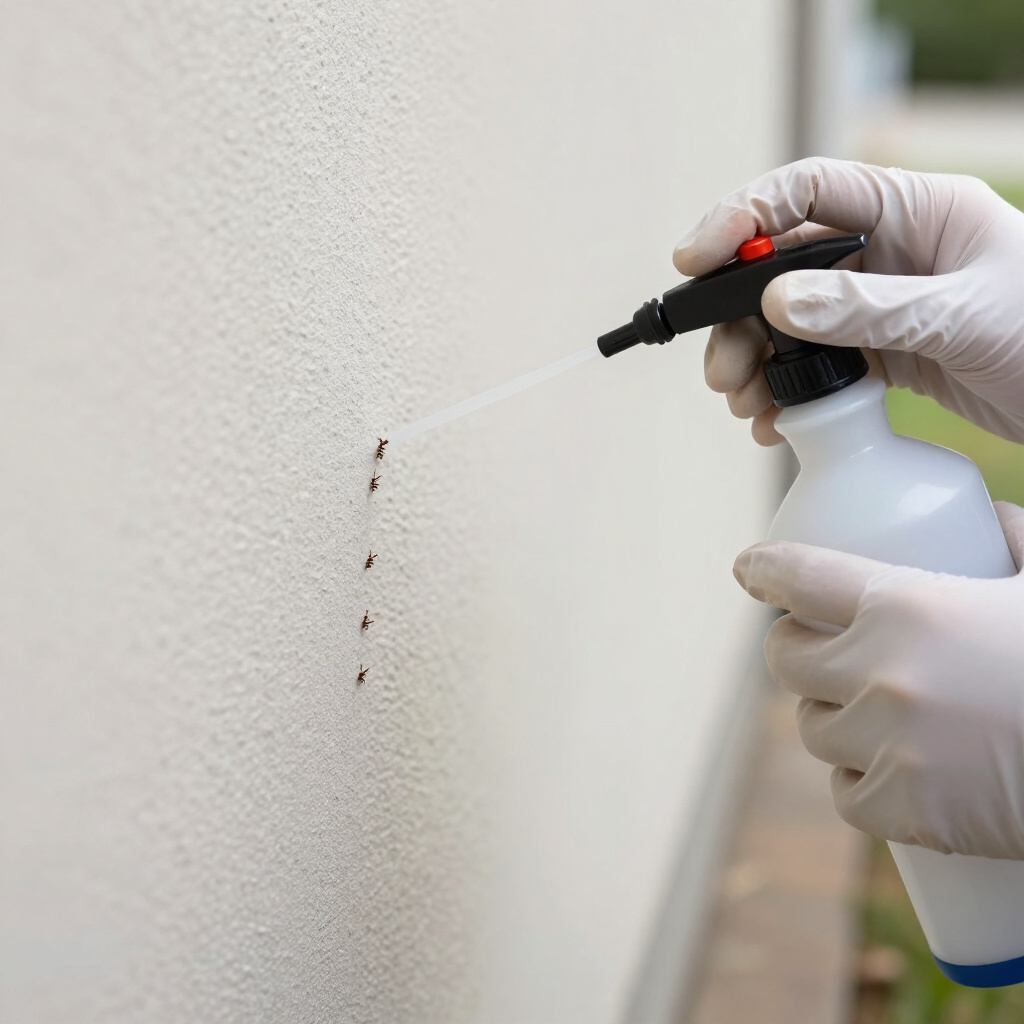
Boxelder bugs swarm south-facing walls each fall, squeezing through window gaps and rooflines to overwinter in attics. The area's abundant boxelder and maple trees provide endless breeding habitat. Ants — particularly pavement ants and odorous house ants — trail through foundation cracks seeking moisture during dry summer months, often establishing satellite colonies inside wall voids.
Voles and gophers tunnel through irrigated lawns and garden beds, especially where properties back up to open space. Spiders thrive in the dense vegetation along Big Cottonwood Creek and its tributaries, with wolf spiders and hobo spiders frequently entering ground-level homes. Wasps and yellowjackets build nests in eaves, deck overhangs, and the rocky landscaping features common throughout the bench neighborhoods.
At higher elevations like those near Mountview Park and along Fort Union Boulevard, rodents seek winter shelter as temperatures drop. Mice exploit the smallest entry points in older homes and new construction alike. Meanwhile, earwigs and millipedes flourish in the moist soil of shaded, north-facing yards.
How We Help Cottonwood Heights Homeowners
Our approach addresses the specific microclimate and building styles found in Cottonwood Heights. We start with a thorough inspection identifying active pest pathways, moisture sources, and structural vulnerabilities particular to bench-area homes — many of which feature walkout basements, stacked stone exteriors, and complex rooflines that create hidden harborage.
We use targeted treatments rather than blanket spraying, applying precision products to harborage zones while minimizing impact on beneficial insects and the creek corridors running through the community. For ongoing protection, we establish exterior barrier treatments timed to seasonal pest pressure, with intensified service during spring swarm season and fall ingress periods.
For wildlife and rodent issues common near the foothills, we implement exclusion sealing, habitat modification recommendations, and trapping programs that comply with Utah Division of Wildlife Resources guidelines. Our technicians live and work in Salt Lake County, so they understand how Cottonwood Heights' elevation changes and canyon winds affect pest behavior differently than in the valley floor.
Pest Control Services Available in Cottonwood Heights
- Residential Pest Control — Year-round protection plans with quarterly or bi-monthly exterior treatments and interior coverage as needed
- Ant Control — Colony elimination using baits and non-repellent transfers, targeting pavement ants, carpenter ants, and moisture ants
- Spider Control — Web removal, harborage treatment, and perimeter applications for wolf spiders, hobo spiders, and black widows
- Rodent Control — Mouse and rat trapping, exclusion sealing, and ongoing monitoring for homes near open space
- Boxelder Bug & Stink Bug Treatment — Fall exterior applications to prevent overwintering entry
- Wasp & Hornet Nest Removal — Safe elimination of aerial and ground nests, with preventive treatments for eaves and overhangs
- Gopher & Vole Management — Trapping programs and baiting for lawn and landscape protection
- Commercial Pest Control — Customized programs for retail, restaurants, and office spaces along Fort Union Boulevard and Wasatch Boulevard corridors
Pest Control Pricing in the Cottonwood Heights Area
Pest control costs in Cottonwood Heights generally align with Salt Lake County averages, though hillside properties with larger lots or extensive stone landscaping may require additional treatment time. Most homeowners pay between $45 and $85 per month for ongoing residential protection plans that include quarterly exterior treatments with warranty-backed interior callbacks.
One-time treatments for specific issues — such as ant infestations, wasp nest removal, or initial spider cleanouts — typically range from $150 to $350 depending on home size and infestation severity. Rodent control programs with exclusion work start around $300 for assessment and initial sealing, with follow-up visits additional.
We provide upfront quotes after inspection, with no long-term contracts required on most plans. Homes in the higher bench areas or with significant wooded buffers may benefit from more frequent service intervals during peak seasons, which we discuss during your initial evaluation.
Frequently Asked Questions
Why are boxelder bugs so bad in Cottonwood Heights specifically?
The mature boxelder and maple trees throughout Cottonwood Heights — plus the warm, south-facing exposure of many bench homes — create ideal conditions. These bugs aggregate on sun-heated walls in fall, then find gaps to overwinter indoors. Our fall exterior treatments and sealing recommendations significantly reduce indoor intrusion.
Do I need different pest control living near the mountains?
Yes. Foothills properties experience higher rodent pressure in fall, more spider activity from adjacent vegetation, and occasional wildlife conflicts. Our Cottonwood Heights service accounts for these factors with modified treatment protocols and more intensive exclusion recommendations than typical valley-floor homes.
How quickly can you respond to a wasp nest?
We typically schedule wasp and hornet nest removal within 24-48 hours in Cottonwood Heights, often same-day for nests posing immediate safety concerns near entryways or children's play areas.
Are your treatments safe for pets and the creek areas?
We use targeted application methods that minimize environmental impact, with careful buffer zones near water features and drainage. Products are applied according to label specifications, and we provide specific re-entry timing for treated areas.
What pests are active in winter here?
Mice and rats remain active year-round, with indoor activity peaking November through February. Spiders already inside continue breeding in undisturbed areas. Our winter service focuses on interior monitoring, rodent prevention, and addressing any pests that entered during fall.