
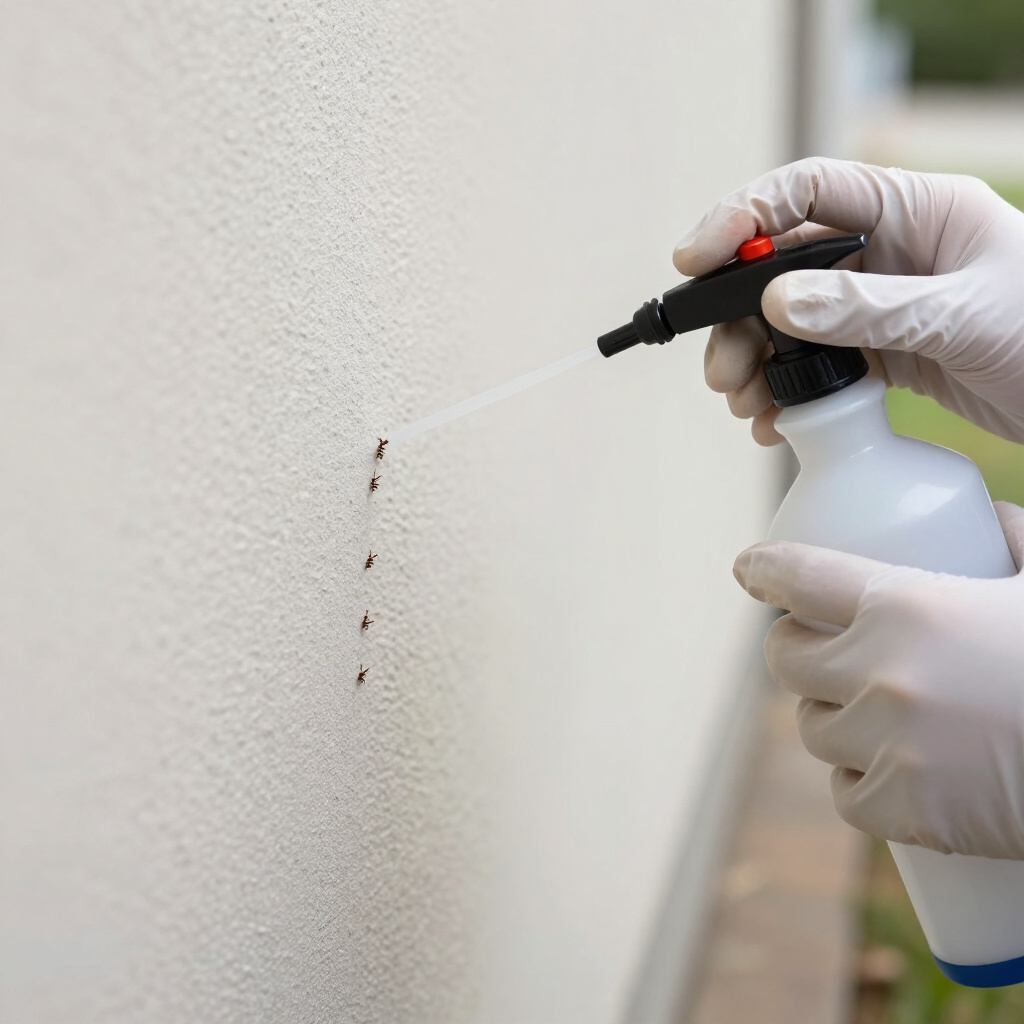

How to Choose a Pest Control Professional in Springville
Finding the right pest control provider in Springville means looking beyond flashy advertising to evaluate what actually matters for your home and Utah County's unique environment. Springville sits at the base of the Wasatch Mountains, where seasonal temperature swings and proximity to open terrain create specific pest pressures you won't find in every market.
Start with licensing verification. Utah requires pest control operators to hold current licenses through the Utah Department of Agriculture and Food. Any technician treating your property should carry a valid applicator license and be willing to show proof on request. This isn't bureaucratic box-checking—unlicensed operators can apply chemicals improperly, creating health risks for families and pets.
Experience with local pest patterns matters enormously here. Springville's elevation and location mean boxelder bugs swarm in fall, voles tunnel through yards near the foothills, and ants exploit the dry summer months to seek water indoors. A technician who understands these seasonal rhythms can anticipate problems rather than merely reacting to them.
Ask prospective companies about their integrated pest management approach. The best providers in Utah County emphasize prevention, exclusion, and targeted treatments over blanket pesticide applications. Request specifics: Do they inspect entry points? Seal gaps? Recommend moisture control? These details separate thorough professionals from spray-and-pray operations.
Finally, evaluate response flexibility. Springville's growing residential areas mean some companies book weeks out during peak seasons. Confirm whether they offer emergency services for sudden infestations and how they handle callbacks if pests persist after initial treatment.
What to Expect from Pest Control Services in Springville
Understanding the treatment process helps you prepare your home and evaluate whether you're receiving comprehensive service. Here's how professional pest control typically unfolds in Springville.
Initial inspection. A qualified technician examines your property's exterior perimeter, foundation, attic access, crawl spaces, and interior problem areas. In Springville, this includes checking for vole runways in landscaped areas, spider harborage around rock walls common in newer developments, and ant trails following utility lines into the home.
Customized treatment plan. Based on findings, the provider recommends specific interventions. This might involve perimeter barrier applications using products rated for Utah's UV exposure and temperature extremes, baiting systems for ongoing monitoring, or direct nest elimination. Reputable companies explain what they're applying, why, and any preparation steps you need to take.
Initial service execution. Most residential treatments take 45-90 minutes. Exterior work typically addresses the foundation, eaves, door and window frames, and yard hotspots. Interior applications focus on cracks, crevices, and voids rather than open surfaces. You'll usually need to leave pets and children away from treated areas until products dry—typically 2-4 hours.
Follow-up and monitoring. Many Springville pest issues require multiple visits. Quarterly maintenance programs are common for ongoing protection, with additional service calls between scheduled visits if activity resumes. Ask upfront about warranty terms and whether retreatments carry extra charges.
Available Pest Control Services
Springville homeowners and businesses can access targeted solutions for virtually any pest challenge common to Utah County. Here's what's typically available from established local providers:
- General pest control — Quarterly or monthly programs covering ants, spiders, wasps, earwigs, and other common invaders with seasonal adjustments
- Rodent control — Mouse and rat elimination including exclusion work, trapping, and monitoring stations; separate vole programs for yard and landscape protection
- Termite services — Inspections, liquid barrier treatments, and baiting systems for subterranean termites active in Utah's warmer soil zones
- Bed bug treatment — Heat remediation and targeted insecticide applications with follow-up verification
- Wasp and hornet removal — Nest elimination from eaves, trees, and ground burrows with preventive treatments
- Spider control — Black widow and hobo spider management, particularly important for homes near undeveloped land
- Commercial pest management — Customized programs for restaurants, warehouses, retail, and food-processing facilities with documentation for health inspections
- Wildlife exclusion — Humane removal and sealing for raccoons, skunks, squirrels, and other animals common near the Wasatch foothills
Many providers offer bundled packages combining multiple services at reduced rates. If you're dealing with multiple pest types—say, ants invading the kitchen plus voles damaging the lawn—ask about comprehensive plans rather than addressing each issue separately.
Frequently Asked Questions
What pests are most common in Springville homes?
Boxelder bugs, ants (particularly pavement and odorous house ants), spiders including black widows and hobo spiders, voles, and mice top the list. Seasonal patterns bring wasps in summer, rodents seeking shelter in fall, and overwintering insects clustering on warm exterior walls.
Are pest control treatments safe for pets and children?
Modern professional products pose minimal risk when applied correctly and allowed to dry completely. Reputable technicians select applications based on your household composition, avoid treating areas where children play directly, and provide specific re-entry timelines—typically 2-4 hours after liquid treatments.
How often should Springville homes receive pest control service?
Quarterly maintenance provides solid protection for most residences. Homes near open fields, foothills, or with previous severe infestations may benefit from bi-monthly service during peak activity periods (April through October). Your technician should adjust frequency based on actual observation rather than selling unnecessary visits.
Why do I see more pests after treatment?
Temporary increased visibility is normal and actually indicates effectiveness. Pesticides and baits agitate pests from hiding spots as they succumb. This flushing effect typically resolves within 7-10 days. Persistent activity beyond two weeks warrants a callback inspection.