
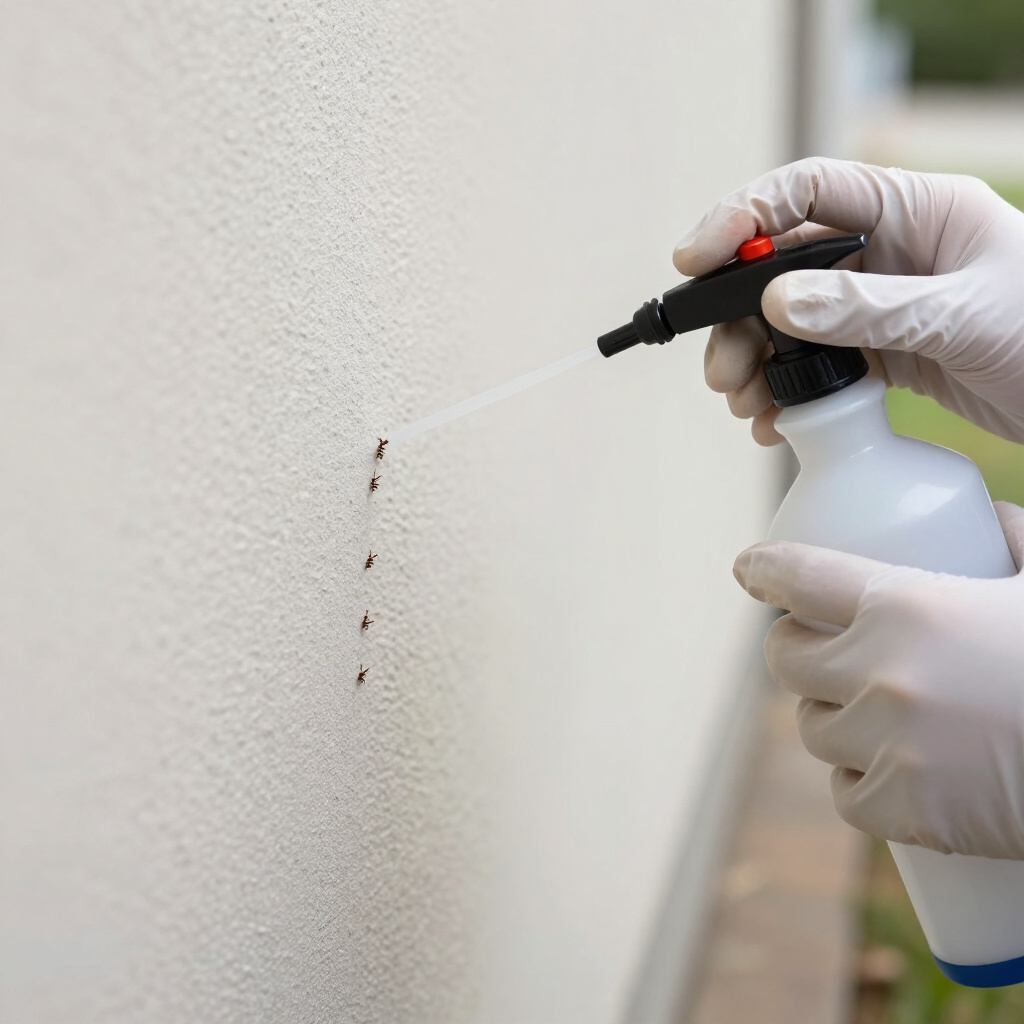

Pest Control Services in Spanish Fork, UT
Spanish Fork sits at the heart of Utah County, where the Spanish Fork River meets expanding residential neighborhoods and established agricultural land. This unique geography creates ideal conditions for pests that thrive near water, farmland, and the Wasatch Front's seasonal temperature swings.
Homeowners throughout Spanish Fork deal with distinct pest pressures depending on their location. Properties near the river corridor and irrigation canals face higher mosquito activity and moisture-seeking insects through summer months. Newer developments on the city's expanding edges often encounter spiders, boxelder bugs, and rodents displaced by construction. Meanwhile, homes in older, established neighborhoods with mature landscaping frequently report ant problems and occasional termite activity.
Our pest control programs for Spanish Fork address these location-specific challenges. Seasonal treatments target the pests most active during each period—spring ant invasions, summer wasp and mosquito pressure, fall spider and rodent entry attempts, and winter overwintering pests seeking shelter. Treatment plans adjust based on whether your property borders open fields, sits near water features, or is tucked into one of Spanish Fork's hillside communities.
Commercial properties in Spanish Fork—from restaurants along Main Street to warehouses near I-15 and agricultural operations on the outskirts—require specialized approaches. Food service establishments need rigorous documentation for health inspections. Industrial facilities need perimeter programs that prevent pest entry without disrupting operations. Rural commercial accounts often require integrated strategies that account for surrounding crop and livestock environments.
Spanish Fork's position in Utah County means pests don't respect neighborhood boundaries. Effective control requires understanding how pests move between the river corridor, agricultural zones, and residential areas—and building protective barriers accordingly.
Common Questions About Pest Control in Spanish Fork
Why do I see more spiders in my Spanish Fork home during fall?
Spanish Fork's combination of warm late-season days and cooling nights triggers spider movement indoors. Mature landscaping in established neighborhoods provides abundant habitat, while new construction on the city's edges displaces spiders seeking new shelter. The boxelder bug and spider migration peaks in September and October as these pests follow temperature gradients toward heated structures. Sealing entry points around foundations, windows, and utility penetrations—combined with targeted exterior treatments—reduces this seasonal invasion significantly.
Are termites a real concern in Spanish Fork, Utah?
While Utah County isn't in the highest termite risk zone, subterranean termites do occur in Spanish Fork—particularly in older neighborhoods with mature trees and established irrigation that keeps soil moisture elevated. Homes with wood-to-soil contact, crawl spaces, or aging wooden structures face elevated risk. Annual inspections using moisture meters and probing tools catch activity before structural damage develops. Preventative soil treatments and baiting systems protect properties in higher-risk zones, especially those near the river corridor where soil conditions favor termite colonies.
How does living near Spanish Fork River affect my pest control needs?
Properties within a quarter-mile of the Spanish Fork River or its associated irrigation network experience measurably different pest pressure. Mosquito breeding cycles extend longer due to standing water and saturated soils. Crickets, earwigs, and millipedes thrive in the higher humidity microclimate. Rodents follow water corridors for travel and food sources. Effective programs for these locations emphasize larval mosquito control in standing water, perimeter moisture management, and more frequent barrier treatments during peak seasons compared to inland Spanish Fork properties.