

Common Pest Control Problems in Washington
Living in Washington, Utah means dealing with a unique set of pest challenges that come with the desert climate and rapid growth of Washington County. Homeowners here face persistent issues that differ from what you'd encounter in cooler, wetter regions.
Scorpions rank among the most concerning pests for Washington residents. The Arizona bark scorpion and desert hairy scorpion both thrive in the rocky terrain surrounding the city. These nocturnal hunters slip through gaps as small as 1/16 inch, often entering homes seeking cool shelter during summer's extreme heat. Their stings cause significant pain and can trigger severe reactions in children and sensitive individuals.
Black widows and desert recluse spiders create serious health hazards in garages, sheds, and undisturbed storage areas. The dry climate supports large populations, and Washington's expanding residential developments disturb natural habitats, pushing these venomous spiders closer to human activity.
Termites present a growing threat as construction increases. Subterranean termites exploit the sandy soil conditions and can silently destroy structural elements before detection. Newer developments with irrigation systems create moisture zones that attract these wood-destroying organisms.
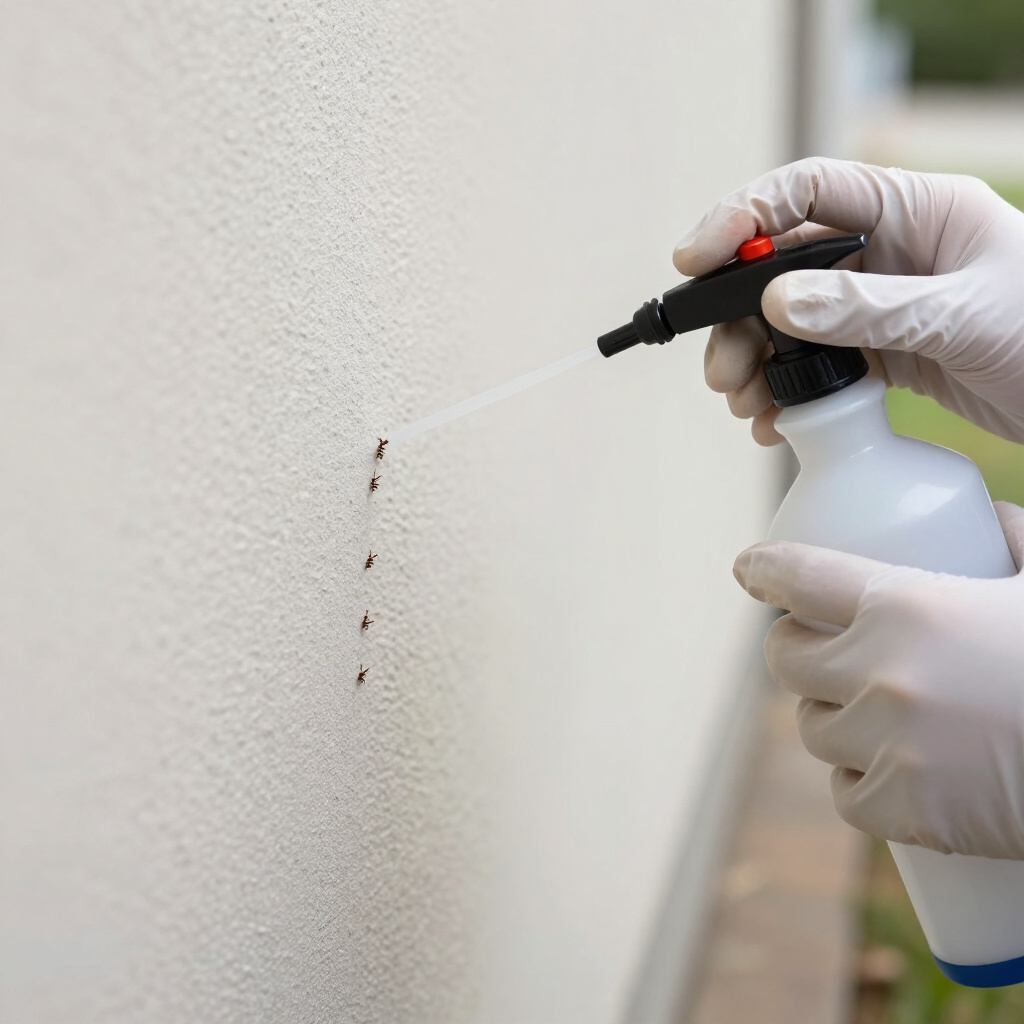
Ant infestations escalate dramatically during spring and summer months. Pavement ants, harvester ants, and southern fire ants compete for resources, with colonies often establishing multiple satellite nests around foundations. The invasive Argentine ant has become particularly problematic in established neighborhoods.
Rodent pressure intensifies as Washington's boundaries push against undeveloped desert. Pack rats, deer mice, and roof rats exploit construction gaps, damaging wiring, contaminating insulation, and introducing hantavirus and other pathogens.
Seasonal surges of crickets, earwigs, and cockroaches compound these core issues, creating environments where multiple pest species establish overlapping territories.
How We Help Washington Homeowners
Our approach addresses Washington's specific pest ecology through targeted inspection protocols and treatment strategies calibrated for desert-adapted species. We begin with comprehensive property assessments identifying scorpion harborage zones, termite conducive conditions, and rodent entry pathways unique to local construction styles.
Perimeter defense systems create protective barriers using formulations effective against heat-resistant pests while remaining appropriate for families and pets. Interior treatments focus on harborage elimination rather than broadcast applications, targeting the wall voids, attic spaces, and plumbing penetrations where Washington's pests actually hide.
Ongoing monitoring programs track activity patterns across seasons, adjusting protocols as desert temperatures fluctuate and pest behaviors shift. This adaptive management prevents the population explosions that occur when static treatment plans fail to account for Washington's extreme temperature variations.
Pest Control Services Available in Washington
- Scorpion Control & Prevention: Specialized blacklight inspections, harborage reduction, and residual treatments targeting nocturnal activity patterns
- Spider Management: Web removal, harborage elimination, and targeted applications for venomous species
- Termite Inspection & Treatment: Pre-purchase inspections, liquid barrier treatments, and monitoring systems for subterranean colonies
- Ant Control Programs: Colony elimination strategies addressing multi-queen species and satellite nest networks
- Rodent Exclusion & Removal: Entry point sealing, trapping programs, and sanitation recommendations
- General Pest Protection: Seasonal programs covering crickets, earwigs, cockroaches, wasps, and occasional invaders
- Commercial Pest Management: Customized protocols for restaurants, retail, healthcare, and hospitality properties
Pest Control Pricing in the Washington Area
Pest control costs in Washington reflect the specialized knowledge required for desert pest management and the treatment intensity needed for persistent species like scorpions and termites.
Initial inspections typically range from $75-$150 depending on property size and specific concerns. Scorpion-focused inspections with blacklight surveys may run higher due to the specialized equipment and nighttime scheduling.
General pest control services for single-family homes generally fall between $85-$125 per treatment for quarterly maintenance programs. Monthly service during peak activity months (May through September) averages $55-$75 per visit.
Termite treatments represent a significant investment, with liquid barrier applications for average-sized Washington homes ranging from $800-$1,800. Monitoring-based approaches with annual inspection contracts offer alternative protection at lower initial cost.
Scorpion-specific programs combining habitat modification, exclusion work, and targeted treatments typically cost $120-$180 for initial comprehensive service, with quarterly maintenance at $95-$140.
Rodent control pricing varies substantially based on infestation severity and exclusion complexity. Initial programs including trapping and basic sealing start around $250-$450, with extensive exclusion work for larger homes reaching $600-$1,200.
Most providers offer bundled service discounts when combining multiple pest concerns into comprehensive protection plans.
Frequently Asked Questions
How often should Washington homes receive pest control service?
Quarterly service provides adequate protection for most Washington properties, though monthly treatments during peak summer months (June through August) address the surge in scorpion, ant, and cricket activity. Homes with previous infestations or adjacent to undeveloped desert may benefit from more frequent visits.
Are scorpion treatments safe for children and pets?
Modern scorpion control uses targeted applications in protected areas—wall voids, crack and crevice treatments, and granular applications in inaccessible zones—minimizing exposure risks. Reputable providers use EPA-registered products with established safety profiles and will review specific precautions based on your household composition.
Why do I see more pests after it rains in Washington?
Desert pests respond intensely to moisture changes. Rain triggers reproductive cycles in many species and drives ground-dwelling pests like scorpions and crickets to seek drier shelter. Even minimal rainfall creates temporary population booms as dormant eggs hatch and foraging activity increases.