
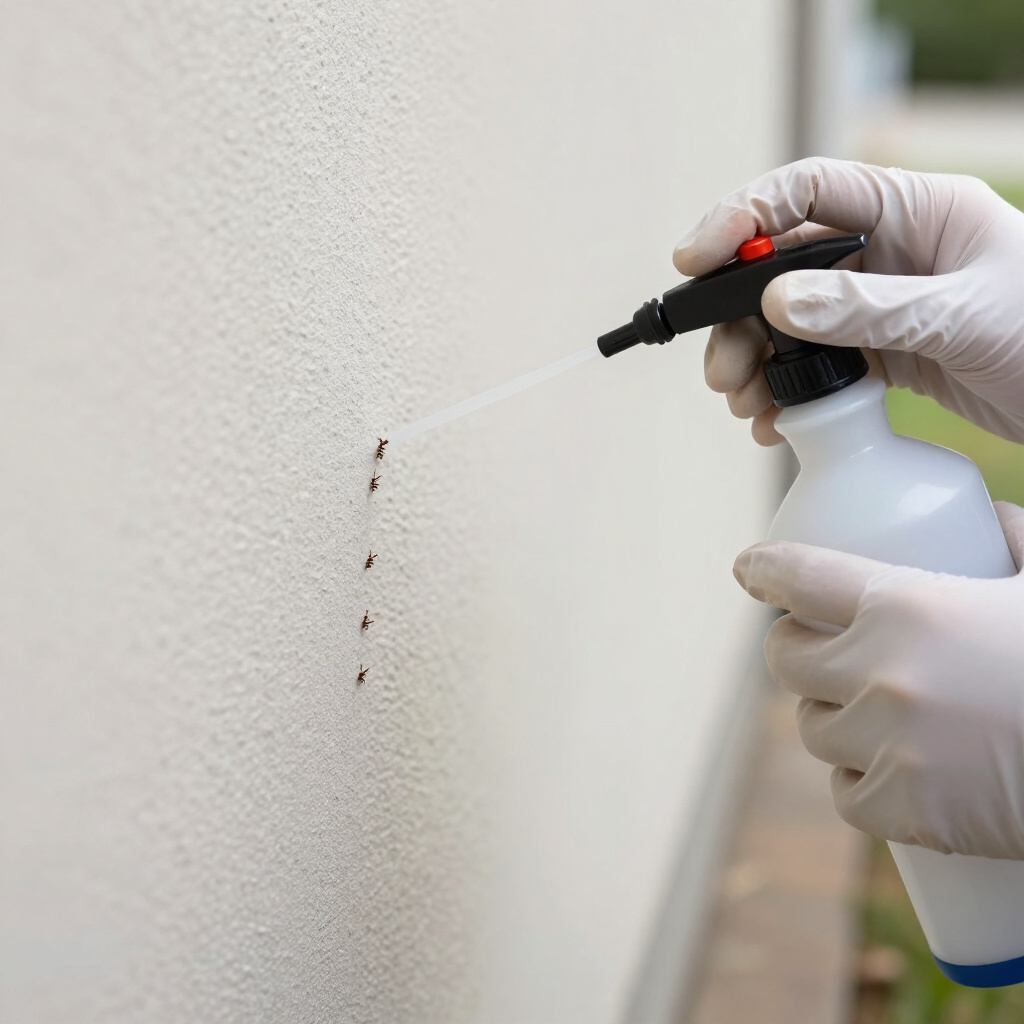

How to Choose a Pest Control Professional in North Ogden
Finding the right pest control provider in North Ogden means looking beyond generic promises and focusing on what matters for Weber County homes. The bench of the Wasatch Range and proximity to open spaces creates unique pest pressures that differ from downtown Ogden or suburban Salt Lake County.
Start with Weber County licensing verification. Utah requires commercial pesticide applicators to hold current certification through the Utah Department of Agriculture and Food. Ask for license numbers and confirm they're active—reputable companies provide this without hesitation.
Experience with North Ogden's specific pest patterns matters significantly. The city's elevation variation, from the valley floor near 4,300 feet to the mountain benches above 5,000 feet, means pest activity shifts dramatically by neighborhood. Homes near the North Ogden Divide face different rodent pressures than properties closer to Washington Boulevard. Look for technicians who can articulate these micro-climate differences rather than applying one-size-fits-all treatments.
Request integrated pest management (IPM) approaches. Effective North Ogden pest control prioritizes exclusion, habitat modification, and targeted treatments over blanket pesticide applications. This proves especially important near Ben Lomond High School, North Ogden Elementary, and the trail systems where families and pets frequent outdoor spaces.
Finally, evaluate service guarantees and response times. Seasonal pest surges—particularly boxelder bugs in fall and voles through winter—demand prompt callback availability. Ask specifically about weekend emergency protocols and whether retreatments carry additional charges.
What to Expect from Pest Control Services in North Ogden
Your initial service typically begins with a comprehensive property inspection lasting 45–90 minutes. Technicians examine foundation perimeters, attic spaces, crawl areas, and common entry points around utility penetrations. In North Ogden's older neighborhoods near the original town center, expect particular attention to aging construction gaps and mature landscaping that harbors pests.
Following inspection, you'll receive a written treatment plan identifying active infestations, conducive conditions, and recommended interventions. This document should specify products by EPA registration number, application methods, and any preparation requirements—such as removing pet dishes or covering aquariums.
Initial treatments often combine interior spot applications with exterior perimeter barriers. For North Ogden's prevalent ants, this typically means treating trail networks and nest locations with non-repellent transfer insecticides. Spider management focuses on web removal plus residual applications to harborage zones under eaves and in landscaping.
Follow-up scheduling varies by pest type and season. Quarterly maintenance programs suit most residential properties, though bi-monthly service proves necessary during peak activity periods (April–October). Rodent issues may require weekly monitoring until populations collapse, then transition to preventive maintenance.
Technicians should document all findings and treatments in a service report, noting environmental conditions like moisture issues or wood-to-soil contact that require homeowner attention. This collaborative approach distinguishes professional-grade service from basic spraying.
Available Pest Control Services
North Ogden residents can book specialized treatments across these categories:
- General pest control — Ants, spiders, wasps, boxelder bugs, and occasional invaders with seasonal maintenance programs
- Rodent management — Mice, rats, and voles with exclusion work, trapping, and population monitoring tailored to bench and valley locations
- Termite inspection and treatment — Subterranean termite expertise including pre-purchase inspections for real estate transactions
- Bed bug elimination — Heat treatment and chemical protocols with follow-up verification
- Wildlife control — Humane removal of raccoons, skunks, and squirrels with entry sealing
- Mosquito reduction — Larvicide applications and breeding source elimination for outdoor living spaces
- Commercial pest management — Customized programs for restaurants, retail, and office properties along North Ogden's commercial corridors
Frequently Asked Questions
What pests are most common in North Ogden compared to other Weber County cities?
North Ogden's bench location and wildland-urban interface create elevated pressure from voles, field mice, and rock squirrels not typically seen at valley floor elevations. Boxelder bugs concentrate heavily in neighborhoods with mature boxelder and maple trees. The city's slightly cooler temperatures also delay spring ant emergence by 1–2 weeks compared to Ogden proper.
How do I prepare my North Ogden home for pest control treatment?
Move furniture 6–12 inches from baseboards in treated rooms. Remove pet food, water dishes, and children's toys from floor areas. Cover aquariums and disconnect air pumps. For exterior treatments, trim vegetation 12 inches from foundation walls and clear debris from crawl space accesses. Technicians will provide specific instructions based on your treatment plan.
Are pest control treatments safe for my family and pets?
Modern pest control products, when applied by certified professionals following label directions, pose minimal risk. Reputable providers in North Ogden use reduced-risk formulations and precise application techniques. Keep pets and children away from treated areas until dry—typically 1–2 hours for liquid applications. Your technician should discuss any product-specific precautions before starting work.
Why do I see more pests after my first treatment?
Temporary increased activity is normal and actually indicates treatment effectiveness. Non-repellent insecticides allow pests to contact treated surfaces and carry active ingredients back to colonies before dying. Disrupted harborage areas also flush hidden populations into open spaces. This effect typically resolves within 7–10 days. Contact your provider if activity persists beyond two weeks.