

How to Choose a Pest Control Professional in Clinton
Finding the right pest control provider in Clinton means looking beyond flashy advertising to what actually matters for Davis County homes. The semi-arid climate and proximity to the Great Salt Lake create unique pest pressures you want a technician to understand firsthand.
Start with local licensing and certification. Utah requires commercial pesticide applicators to hold a license through the Utah Department of Agriculture and Food. Ask for proof—reputable companies provide it without hesitation. Look specifically for experience with Davis County pests: Argentine ants, voles, boxelder bugs, and the occasional black widow or hobo spider that thrives in our dry summers.
Check whether the company offers integrated pest management (IPM) approaches. This matters in Clinton, where many neighborhoods border open fields and wetlands. IPM prioritizes prevention, mechanical controls, and targeted treatments over blanket chemical applications—protecting both your family and the nearby Weber River watershed.
Read reviews mentioning follow-up service. Clinton's seasonal temperature swings mean pest activity fluctuates dramatically. A provider worth hiring returns between scheduled visits if problems resurface, particularly during the spring ant swarms and autumn rodent migrations.
Finally, verify they understand HOA and municipal guidelines. Several Clinton subdivisions have specific rules about exterior treatment scheduling and notification requirements.
What to Expect from Pest Control Services in Clinton
Your first service typically begins with a comprehensive inspection. A technician examines your foundation, eaves, utility penetrations, and landscaping perimeter. In Clinton, they pay special attention to south-facing walls where boxelder bugs congregate, and to drip irrigation zones that attract moisture-dependent pests.
After documentation, you'll receive a customized treatment plan with clear explanations. Most Clinton homes benefit from quarterly exterior maintenance, with interior treatments reserved for active infestations. The technician should explain what products they're using, where application occurs, and any preparation steps you need to take—like securing pet water bowls or keeping children inside during service.
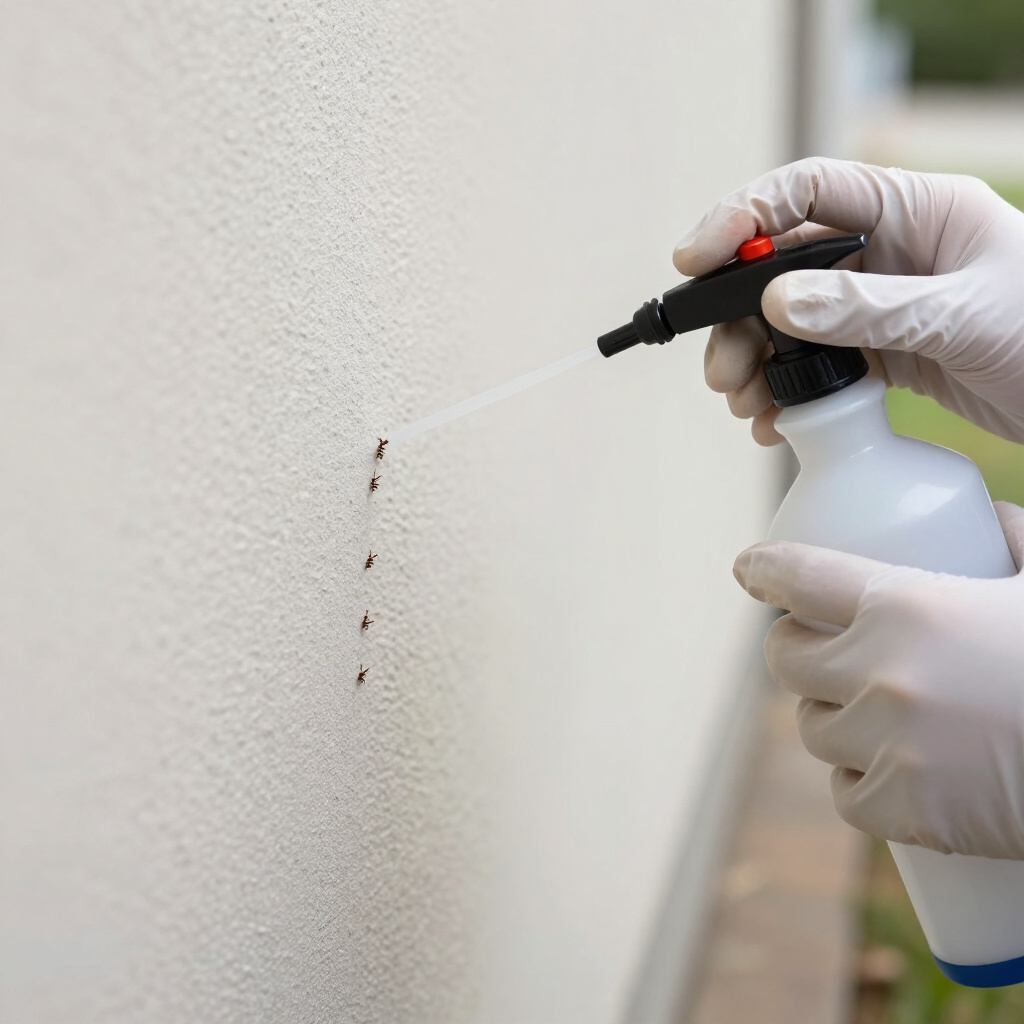
Treatment execution varies by pest but commonly includes perimeter barrier applications, granular baiting in landscape beds, crack-and-crevice treatments, and monitoring station placement. For rodent concerns common near Clinton's agricultural edges, expect exterior bait station installation and entry-point sealing recommendations.
Post-service, you should receive written documentation and recommendations for ongoing prevention: trimming vegetation from foundations, managing irrigation timing, sealing gaps around utilities, and proper firewood storage away from structures.
Available Pest Control Services
Clinton residents can book targeted solutions for virtually any pest concern:
- General pest control — Quarterly or bi-monthly perimeter protection against ants, spiders, wasps, and occasional invaders
- Rodent control — Mice and rat exclusion, trapping programs, and ongoing monitoring for properties near fields or open space
- Termite inspection and treatment — Subterranean termite baiting and liquid barrier systems
- Mosquito reduction — Larvicide applications and breeding source elimination for summer outdoor living
- Vole and gopher management — Burrow treatments and population control for landscaped yards
- Bed bug elimination — Heat treatment and conventional chemical protocols
- Seasonal wasp and hornet nest removal — Safe extraction from eaves, sheds, and play structures
- Wildlife exclusion — Humane removal and sealing for skunks, raccoons, and other nuisance animals
Many Clinton homeowners combine general pest control with rodent monitoring, given our area's rural-urban interface. Commercial properties—particularly restaurants and warehouses near the I-15 corridor—often require more frequent service and detailed documentation for health department compliance.
Frequently Asked Questions
What pests are most common in Clinton, Utah?
Argentine ants and pavement ants dominate spring through fall. Boxelder bugs mass on south-facing walls in autumn. Voles damage lawns and gardens year-round, while mice seek indoor shelter as temperatures drop. Spiders—including hobo spiders and black widows—are present but rarely abundant indoors with proper perimeter treatment.
How often should Clinton homes receive pest control service?
Most properties do well with quarterly exterior treatments. Homes backing open land, with mature landscaping, or with previous rodent issues often need bi-monthly service during peak activity months (April through October). Interior services are scheduled as needed rather than automatically.
Are pest control treatments safe for pets and children?
Modern applications use targeted products applied where pests travel, not where families live. Reputable providers use reduced-risk formulations and advise brief re-entry periods—typically 30 minutes to 2 hours for exterior applications. Always inform your technician about aquariums, beekeeping, or free-range chickens on your property.
Why do I see more pests after the first treatment?
Temporary increased activity is normal and actually indicates effectiveness. Disturbed pests emerge from harborage areas before succumbing to treatment. This "flushing" effect typically resolves within 7-10 days. Contact your provider if activity persists beyond two weeks or worsens significantly.