

How to Choose a Pest Control Professional in Cedar Hills
Finding the right pest control provider in Cedar Hills means looking beyond flashy advertising to evaluate what actually matters for your home and family. Salt Lake County's unique climate—hot, dry summers and cold, snowy winters—creates distinct pest pressures that vary significantly from national norms. A qualified local professional should demonstrate deep familiarity with these seasonal patterns and how they drive pest behavior in the Wasatch Front foothills.
Start by verifying proper licensing through the Utah Department of Agriculture and Food. All pesticide applicators must hold current certifications, and reputable companies willingly provide this documentation. Insurance coverage matters too; general liability and workers' compensation protect you if accidents occur on your property.
Ask prospective providers about their experience with Cedar Hills specifically. The city's elevation, ranging from approximately 4,800 to 5,200 feet, combined with its interface of residential development and undeveloped hillside terrain, creates wildlife and insect challenges unlike those in valley-floor communities. Companies regularly serving this area will understand how rodents exploit the rocky terrain, why boxelder bugs cluster on south-facing walls, and how to manage vole populations that thrive in landscaped berms.
Finally, evaluate their integrated pest management approach. The best professionals emphasize prevention, targeted treatments, and minimal chemical use—particularly important in Cedar Hills, where many residents value environmental stewardship and maintain gardens, fruit trees, and outdoor living spaces.
What to Expect from Pest Control Services in Cedar Hills
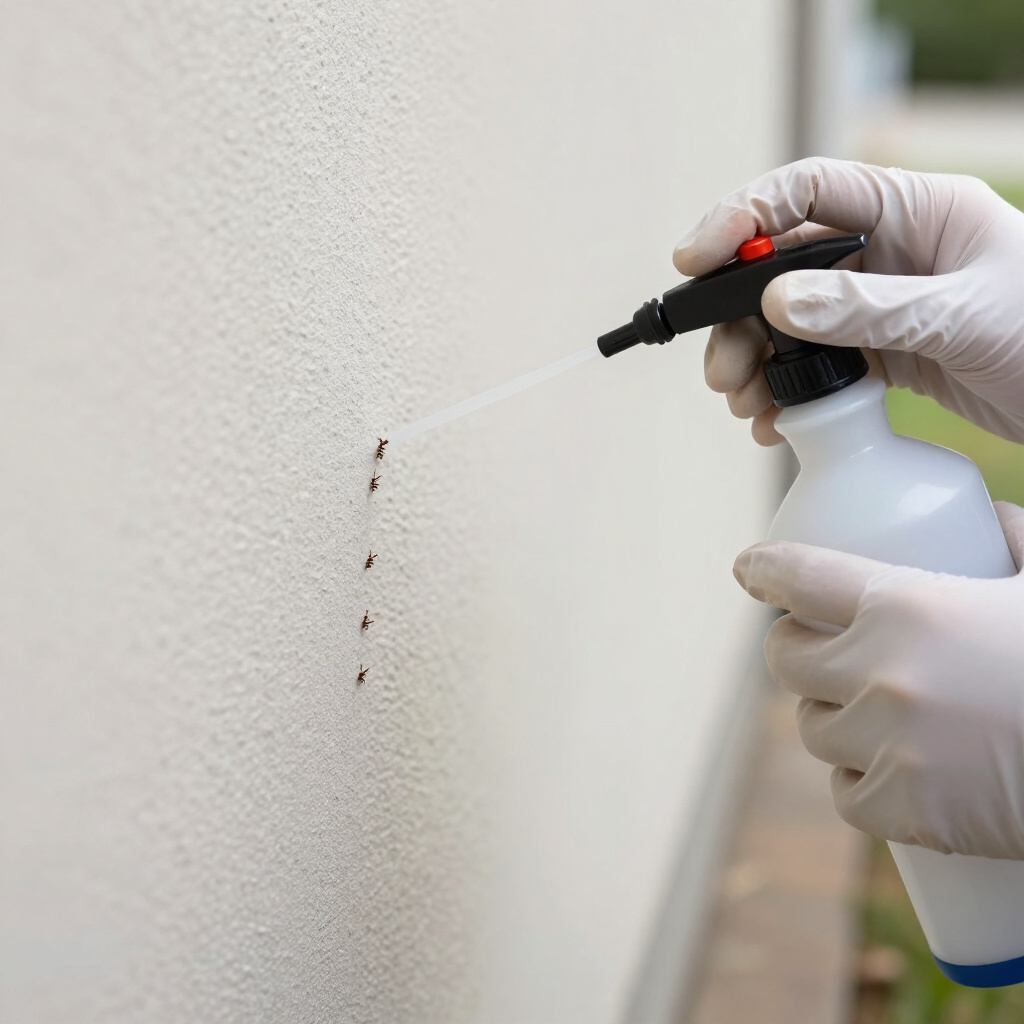
Your initial service typically begins with a thorough inspection, lasting 30 to 60 minutes for an average home. The technician examines interior spaces including basements, crawl spaces, attics, and utility penetrations, then surveys the exterior perimeter, foundation, eaves, and landscaping features. In Cedar Hills, special attention goes to entry points created by settling in hillside construction, gaps around plumbing and electrical conduits, and vulnerabilities in stucco or siding common to the area's architectural styles.
Following inspection, you'll receive a detailed assessment identifying active infestations, conducive conditions, and a customized treatment plan with transparent pricing. Most residential services employ a combination of exterior barrier applications, targeted interior treatments only where needed, mechanical exclusion measures, and habitat modification recommendations.
Ongoing protection programs usually schedule quarterly visits, with adjustments for Cedar Hills' pronounced seasonality. Spring treatments focus on emerging ants, spiders, and wasp nest prevention. Summer addresses peak activity for turf pests and outdoor invaders. Fall applications target overwintering pests like boxelder bugs and rodents seeking shelter. Winter visits emphasize interior monitoring and structural vulnerabilities exposed by snow cover.
Between scheduled services, responsive companies provide callback coverage at no additional charge if pests return—a particularly valuable commitment given how quickly ant colonies or wasp nests can establish in favorable conditions.
Available Pest Control Services
Comprehensive pest management in Cedar Hills encompasses prevention, elimination, and ongoing monitoring across numerous pest categories. Understanding what's available helps you match services to your specific situation.
Common Insect Control
Ant management targets pavement ants, carpenter ants, and odorous house ants prevalent throughout Salt Lake County. Spider control reduces black widow, hobo spider, and wolf spider populations. Wasp and hornet nest removal addresses paper wasps, yellowjackets, and bald-faced hornets. Specialty services handle bed bug infestations, termite inspections, and cockroach elimination.
Rodent Management
Mice and rats exploit Cedar Hills' rocky outcroppings and mature landscaping for harborage. Professional services include trapping, exclusion sealing, and exterior bait station programs that comply with wildlife safety guidelines important in areas adjacent to natural habitat.
Wildlife and Nuisance Animal Services
The foothill interface generates regular encounters with raccoons, skunks, squirrels, and occasionally deer causing landscape damage. Licensed wildlife control operators provide humane removal, damage repair, and prevention strategies tailored to Utah regulations.
Seasonal and Preventative Programs
Quarterly protection plans, single-issue treatments, pre-construction termite pre-treatments, and real estate inspection services accommodate diverse needs and budgets.
Frequently Asked Questions
Are pest control treatments safe for pets and children?
Modern application techniques prioritize safety. Technicians apply most products to exterior foundation perimeters and inaccessible cracks and crevices rather than broad indoor surfaces. You'll receive specific re-entry timing, typically ranging from immediate to four hours depending on products used. Always discuss household sensitivities during scheduling.
Why do I see more spiders in my Cedar Hills home during fall?
Cooling temperatures and shortening daylight trigger spider movement toward sheltered overwintering sites. Cedar Hills' elevation accelerates this migration compared to lower valley areas. Exterior treatments in late summer significantly reduce indoor encounters, while ongoing programs maintain protective barriers.
How quickly can a technician respond to an active infestation?
Most providers schedule standard appointments within one to three business days. Emergency situations involving stinging insects, aggressive wildlife, or severe rodent activity often receive same-day or next-day priority response.
Do I need ongoing service if pests are currently absent?
Prevention proves substantially more effective and economical than reactionary treatment. Cedar Hills' seasonal pest pressures mean new colonies or invasions develop continuously. Regular monitoring and barrier maintenance intercept problems before they establish.
What preparation is required before treatment?
Interior treatments require basic access to baseboards, under sinks, and along window frames—typically moving items six inches from walls. Exterior work needs clear access to the foundation perimeter. Your provider will supply specific instructions based on your customized treatment plan.