
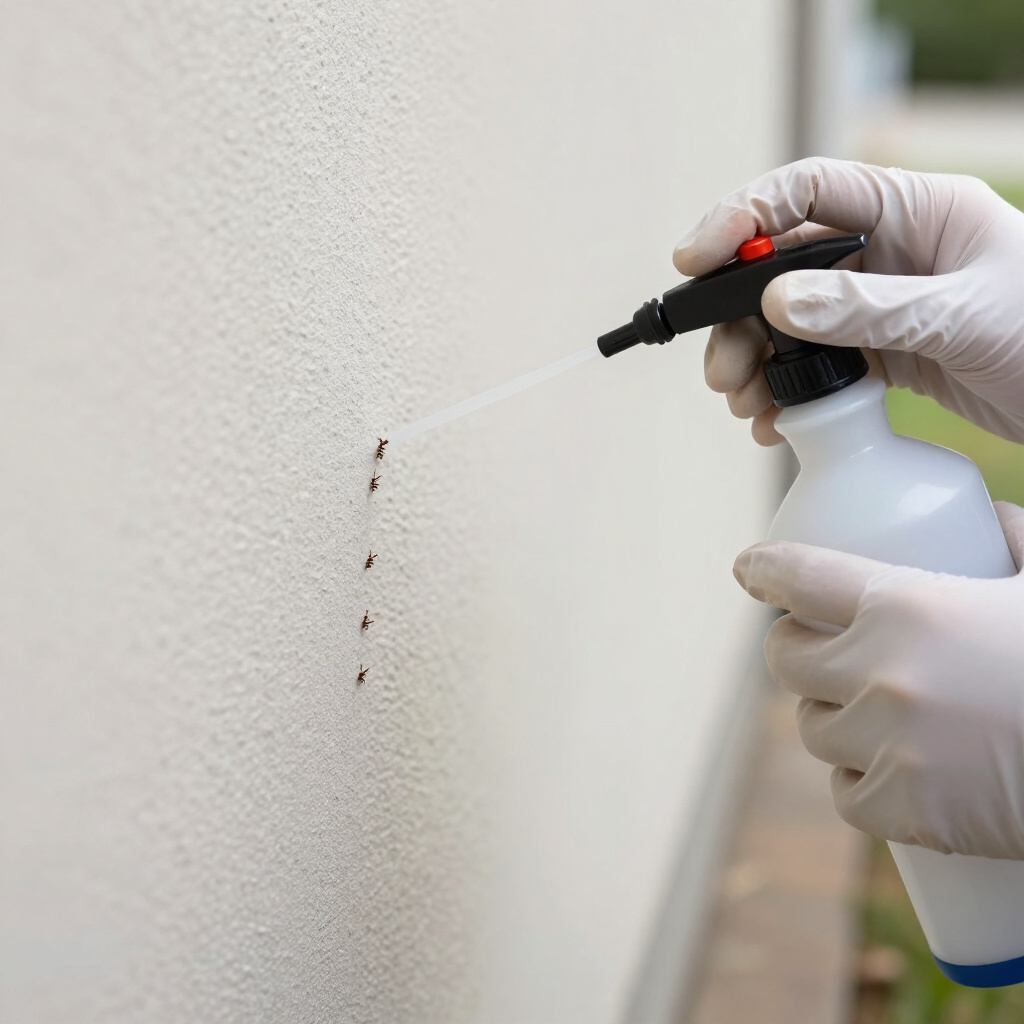
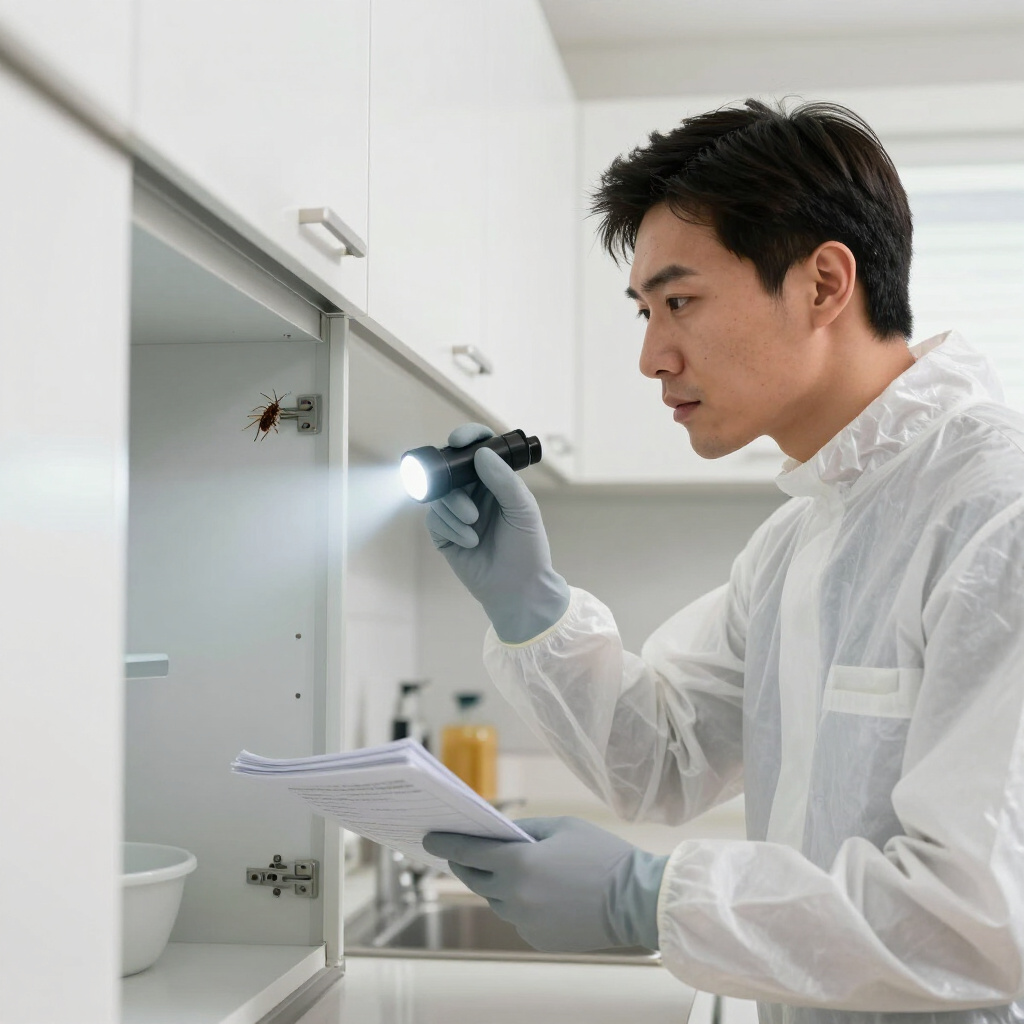
Some household problems can be solved with a quick trip to the hardware store and a free weekend afternoon. Others require trained expertise before a small nuisance spirals into a costly nightmare. Knowing when to call a pest control professional can save you time, money, and the stress of battling an infestation that keeps coming back stronger than before.
Signs It's Time to Call a Pest Control Professional
Not every ant on the kitchen counter demands expert intervention, but certain warning signals should never be ignored. If you're seeing pests during daylight hours when they typically hide, this often indicates overcrowding and a well-established colony lurking out of sight. Multiple pests of different species appearing simultaneously suggests environmental conditions have deteriorated beyond what DIY methods can address.
Damaged structures require immediate professional attention. Carpenter ants carving galleries through wooden supports, termites leaving hollow-sounding beams, or rodents gnawing electrical wiring all create genuine safety hazards. The longer these problems persist, the more extensive and expensive repairs become. When you notice unexplained droppings, shed skins, oily rub marks along baseboards, or a persistent musty odor you cannot locate, these are textbook indicators that pests have made themselves at home in your walls, crawl spaces, or attic.
Recurring problems despite your best efforts represent another clear threshold. If you've applied over-the-counter treatments multiple times and the same pests return within weeks, you're likely treating symptoms rather than the source. Professionals possess the diagnostic tools and training to identify entry points, nesting locations, and the specific species involved—critical information that determines whether baiting, exclusion, or targeted chemical applications will actually work.
When DIY Methods Fall Short
Store-bought sprays and traps handle isolated incidents reasonably well. A single rogue cricket or the occasional spider in the basement rarely warrants professional service. However, several scenarios tip the balance firmly toward expert help.
Health risks elevate any pest situation to professional priority. Bed bugs trigger allergic reactions and psychological distress. Cockroaches exacerbate asthma, particularly in children. Rodents transmit hantavirus and salmonella through their droppings. Stinging insects pose immediate dangers to anyone with allergies. When your family's wellbeing hangs in the balance, guessing with retail products introduces unacceptable risk.
The scale and location of infestations matter enormously. A wasp nest high in a difficult-to-reach eave, bats colonizing an attic, or termites tunneling beneath your foundation all demand specialized equipment, protective gear, and knowledge of proper handling techniques. Attempting these situations without training frequently results in incomplete removal, personal injury, or dispersing the colony into harder-to-treat areas of your home.
Property-specific challenges also complicate DIY approaches. Historic homes with complex construction, multi-unit buildings where pests migrate between units, or rural properties bordering wooded areas create dynamics that amateur treatments simply cannot resolve. Professionals assess the entire ecosystem affecting your property rather than treating a single room in isolation.
Key Tips for Working With Pest Control Experts
Preparation and partnership significantly improve outcomes when you do call a pest control professional. Document what you've observed before the appointment—note when and where you see activity, what you've already tried, and any patterns you've noticed. This information accelerates accurate diagnosis and avoids redundant treatments.
Ask prospective services about their integrated pest management approach. Reputable professionals emphasize inspection, identification, and prevention alongside treatment rather than relying solely on chemical applications. They should explain their findings clearly, present multiple options when appropriate, and provide written documentation of services rendered and recommendations for ongoing monitoring.
Understand that effective pest control often requires patience. Immediate elimination of visible pests sometimes precedes a brief resurgence as hidden populations are flushed from harborage areas. Follow your technician's guidance regarding sanitation improvements, moisture control, and sealing entry points—these environmental modifications determine whether results last or quickly unravel.
Finally, establish an ongoing relationship rather than waiting for emergencies. Seasonal inspections catch developing problems before they escalate, and many companies offer maintenance plans that cost far less than emergency interventions. Proactive pest management protects your investment in your home and prevents the disruption of reactive crisis response.
Final Thoughts
Recognizing when to call a pest control professional comes down to honest assessment of risk, scale, and your own limitations. Minor, contained issues respond well to personal initiative. Structural threats, health hazards, recurring infestations, and hidden colonies demand expertise that only trained professionals provide. The investment in qualified service protects not just your property value but your peace of mind—knowing the problem has been diagnosed correctly, treated thoroughly, and prevented from returning. When uncertainty arises, consulting a reputable pest control company for an inspection costs little and provides the clarity needed to make an informed decision about your next steps.