

Termites are among the most destructive pests a homeowner can face, causing billions of dollars in property damage each year across the United States. What's particularly troubling is that these silent destroyers often work undetected for months or even years, eating away at the wooden structures that support your home. By the time obvious damage appears, the infestation may already be extensive. Learning to recognize the early signs you may have termites can save you thousands in repair costs and protect your family's safety. Here are the key warning indicators every homeowner should watch for.
Signs You May Have Termites Around Your Foundation
The foundation of your home is where termite activity often begins, making it a critical area for regular inspection. Subterranean termites, the most common type in many regions, build distinctive mud tubes to travel between their underground colonies and their food source—your home's wooden framework.
These pencil-thin mud tubes typically appear along exterior walls, foundation cracks, and crawl spaces. Made from soil, wood particles, and termite saliva, they serve as protective highways that maintain the moisture termites need to survive. Break open a mud tube and you may see active worker termites inside. Even if the tube appears empty, don't assume you're in the clear—termites may have simply moved to another access point.
Another foundation-related warning sign is the presence of swarmers or discarded wings near windows, doors, and foundation vents. Reproductive termites emerge in swarms to establish new colonies, typically during spring when temperatures warm. Finding piles of tiny, translucent wings—often described as looking like fish scales—indicates a mature colony is nearby, possibly inside your home.
Interior and Structural Warning Signs
Moving inside your home, several indicators suggest active termite feeding. Tapping on solid wood that sounds hollow is one of the most alarming discoveries. Termites consume wood from the inside out, leaving a thin veneer of paint or wood grain intact while hollowing out the interior. This creates a deceptive shell that can easily be punctured.
Doors and windows that suddenly become difficult to open or close may signal termite damage. As termites consume wood and introduce moisture into framing members, the wood warps and swells. While humidity and seasonal changes can cause similar issues, unexplained sticking—especially when accompanied by other warning signs—warrants professional inspection.
Bubbling or peeling paint that resembles water damage is another red flag. Termites bring moisture into dry wood as they tunnel through it, causing paint to blister or flake. Before simply repainting or addressing what appears to be a moisture problem, investigate whether termites are the true culprit beneath the surface.
Frass, or termite droppings, indicates a drywood termite infestation. Unlike subterranean termites, drywood species don't use soil or build mud tubes. Instead, they push their fecal matter out of small kick-out holes near their galleries. Frass resembles fine sawdust or coffee grounds and often accumulates in small piles on windowsills, baseboards, or beneath wooden furniture.
Key Tips for Protecting Your Home
Regular vigilance is your best defense against costly termite damage. Schedule professional inspections annually, even if you've never had termites before. Trained pest control technicians know where to look and can identify early activity that untrained eyes miss.
Reduce conducive conditions around your property by maintaining proper drainage and grading soil away from your foundation. Termites are attracted to moisture, so fix leaky faucets, clogged gutters, and any standing water promptly. Store firewood, lumber, and mulch at least twenty feet from your home and elevated off the ground.
Consider requesting a termite pre-treatment if you're building a new home or addition. Liquid soil treatments and baiting systems installed during construction provide lasting protection that's difficult to replicate after the fact.
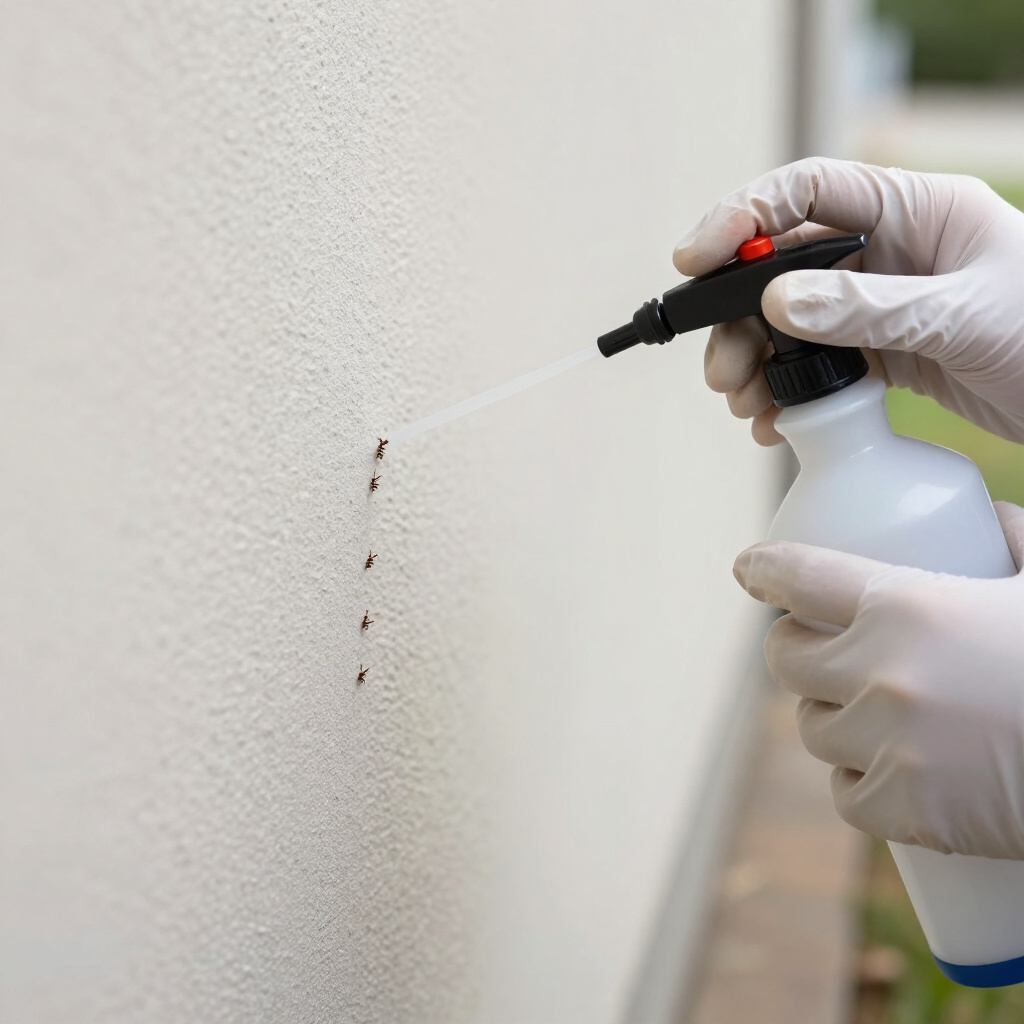
If you discover any signs you may have termites, resist the urge to handle treatment yourself. Over-the-counter sprays and DIY methods typically address only surface activity while leaving the main colony untouched. Worse, disturbing termites without complete elimination can cause them to scatter and establish multiple new colonies throughout your home.
Final Thoughts
Termite damage rarely announces itself dramatically. Instead, it progresses quietly through subtle signs that demand attentive observation. From mud tubes along your foundation to hollow-sounding walls and unexplained structural changes, these warning indicators deserve immediate attention. The cost of professional inspection and treatment pales in comparison to the expense of repairing compromised load-bearing walls, floor joists, and support beams.
Your home represents one of your largest investments—protecting it from termites is an ongoing responsibility, not a one-time concern. By understanding the signs you may have termites and responding quickly when they appear, you preserve both your property value and your peace of mind. If you've noticed any of the warning signs discussed here, contacting a licensed pest control professional for thorough evaluation is the wisest next step.