
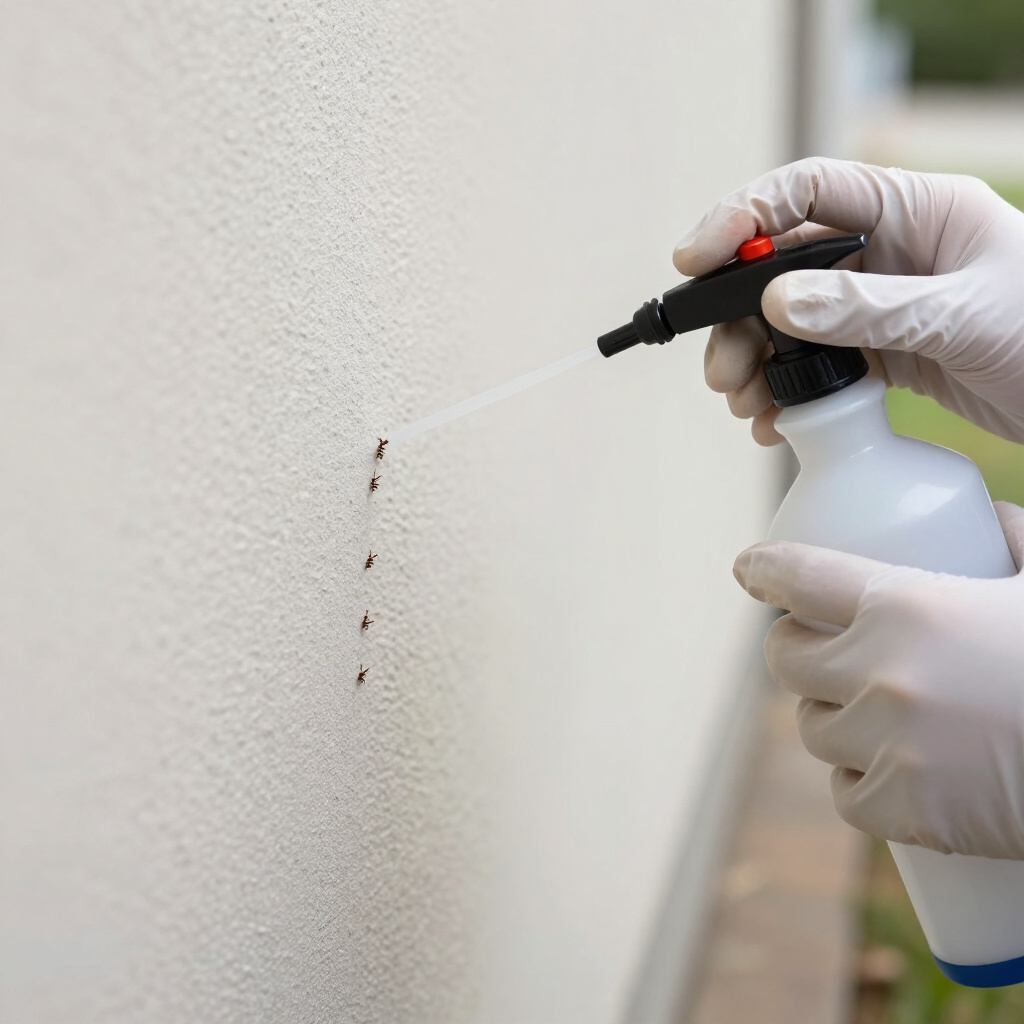

Pests don't take vacations. Just as the seasons change, so do the critters trying to make your home their own. A reactive approach—waiting until you spot ants marching across the counter or hear scratching in the walls—often means you're already dealing with an established problem. The smarter strategy? A proactive, season-by-season pest control checklist that keeps unwanted visitors out before they ever get comfortable. Here's your year-round guide to protecting your home, your family, and your peace of mind.
Spring Pest Control: Awakening and Entry Points
As temperatures rise, pests emerge from their winter hiding spots with one thing on their minds: food and shelter. Spring is prime time for ants, termite swarms, and stinging insects beginning new colonies. Your seasonal pest control checklist starts with a thorough exterior inspection.
Walk your property and seal cracks in foundations, gaps around windows and doors, and openings where utility lines enter your home. Replace damaged weather stripping and repair torn screens—common entry points that are easy to overlook. Clear winter debris from gutters and downspouts, as clogged drainage creates moisture that attracts pests.
Pay special attention to your yard. Trim shrubs and tree branches away from your home's exterior walls and roofline, eliminating natural bridges for ants, rodents, and other pests. Store firewood at least 20 feet from your house and elevate it off the ground. If you notice mud tubes on foundation walls or discarded wings near windowsills, contact a professional immediately—these are telltale signs of termite activity that worsen rapidly.
Summer Pest Control: Peak Activity and Outdoor Defense
Summer brings the year's highest pest activity. Mosquitoes, wasps, ticks, and ants thrive in warm weather, turning your backyard into their breeding ground. Your focus this season shifts to moisture control and outdoor management.
Eliminate standing water weekly—check flower pot saucers, bird baths, clogged gutters, and low spots in your lawn where mosquitoes lay eggs. Keep your grass cut short and vegetation trimmed, reducing harborage for ticks and fleas. If you have outdoor pets, maintain their flea and tick prevention year-round, as they can transport these pests indoors.
Wasps and hornets become aggressively territorial in late summer. Inspect eaves, porch ceilings, and playground equipment for early nest construction when colonies are small and easier to remove. For outdoor dining, keep food covered and trash bins sealed with tight-fitting lids. Natural deterrents like citronella and fans can help, but professional perimeter treatments often provide the most reliable barrier against persistent summer invaders.
Fall Pest Control: The Invasion Before Winter
Fall is perhaps the most critical season for preventive pest control. As temperatures drop, rodents, spiders, boxelder bugs, and stink bugs actively seek warmth and shelter—often inside your walls, attic, or basement. Your seasonal pest control checklist should prioritize exclusion above all else.
Inspect your roofline for damaged fascia boards, loose shingles, and gaps around vents or chimney flashing. Mice can squeeze through openings as small as a dime, so no crack is too minor to address. Install door sweeps on garage and exterior doors, and check that attic vents are screened with quarter-inch hardware cloth.
Inside, declutter storage areas where pests hide undisturbed. Store holiday decorations, clothing, and paper goods in sealed plastic containers rather than cardboard boxes that attract silverfish and rodents. Move food items from vulnerable packaging into airtight containers. As you turn on heating systems, the warmth draws pests deeper into your living spaces—stay vigilant for droppings, gnaw marks, or unusual odors that signal an established intrusion.
Winter Pest Control: Hidden Threats and Indoor Vigilance
Winter lulls many homeowners into complacency, but pests don't disappear—they go deeper. Rodents remain active year-round, and insects like cockroaches and silverfish prefer the warmth your home provides. This season demands indoor focus and continued monitoring.
Inspect your attic and basement monthly, using a flashlight to check for droppings, gnawed wires, nesting materials, or grease marks along baseboards. Rodents chew electrical wiring, creating serious fire hazards that make early detection essential. Set traps in strategic locations if you suspect activity, but remember that traps alone rarely solve an established infestation.
Maintain your home's dryness. Run dehumidifiers in damp basements and ensure bathrooms are well-ventilated. Repair leaky pipes promptly—cockroaches can survive months without food but only days without water. Continue vacuuming regularly, especially in cracks and crevices where crumbs accumulate. Even in winter, your vigilance forms the final line of defense in your year-round pest management strategy.
Key Tips for Every Season
Some pest control practices deserve attention regardless of the calendar. First, know your local pest pressures. Termites dominate in humid southern climates, while voles and certain spider species plague northern regions. Understanding what you're up against helps you prioritize your efforts and recognize early warning signs.
Second, practice consistent sanitation. The cleanest homes can attract pests, but cluttered, food-accessible environments dramatically increase your risk. Wipe kitchen counters nightly, store pet food securely, and take garbage out regularly. Don't forget less obvious attractants like recycling bins with sticky residue or compost piles placed too close to the house.
Third, document what you observe. Note when and where you spot pests, what they appear to be attracted to, and any conditions that might contribute—recent rain, landscaping changes, or construction nearby. This information proves invaluable whether you're troubleshooting yourself or consulting a professional.
Finally, partner with expertise when needed. DIY measures handle many situations, but certain pests—termites, bed bugs, extensive rodent infestations—require specialized knowledge, equipment, and treatment methods. Annual professional inspections often catch developing problems before they become costly emergencies, and many pest control companies offer seasonal maintenance programs tailored to your region.
Final Thoughts
A seasonal pest control checklist isn't about achieving perfection—it's about building consistent habits that reduce your risk and catch problems early. Spring seals entry points, summer manages outdoor pressures, fall blocks the winter rush, and winter maintains indoor vigilance. Each season's efforts compound, creating a home environment that's genuinely less hospitable to pests.
The homeowners who sleep easiest aren't necessarily those who never see a bug; they're the ones who've done the work to prevent infestations and know how to respond at the first sign of trouble. Start with the checklist above, adapt it to your specific home and region, and remember that professional guidance is always available when you need an extra layer of protection. Your home is worth defending year-round.