
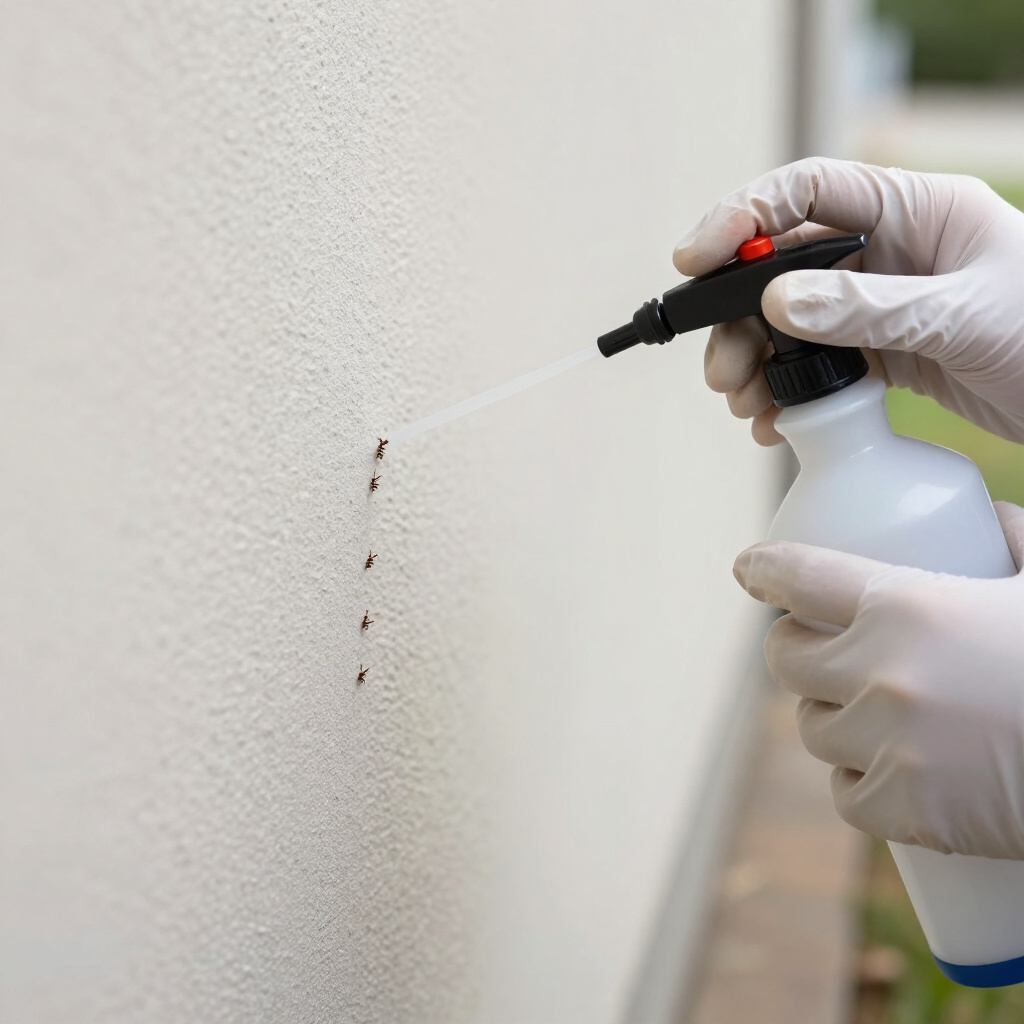
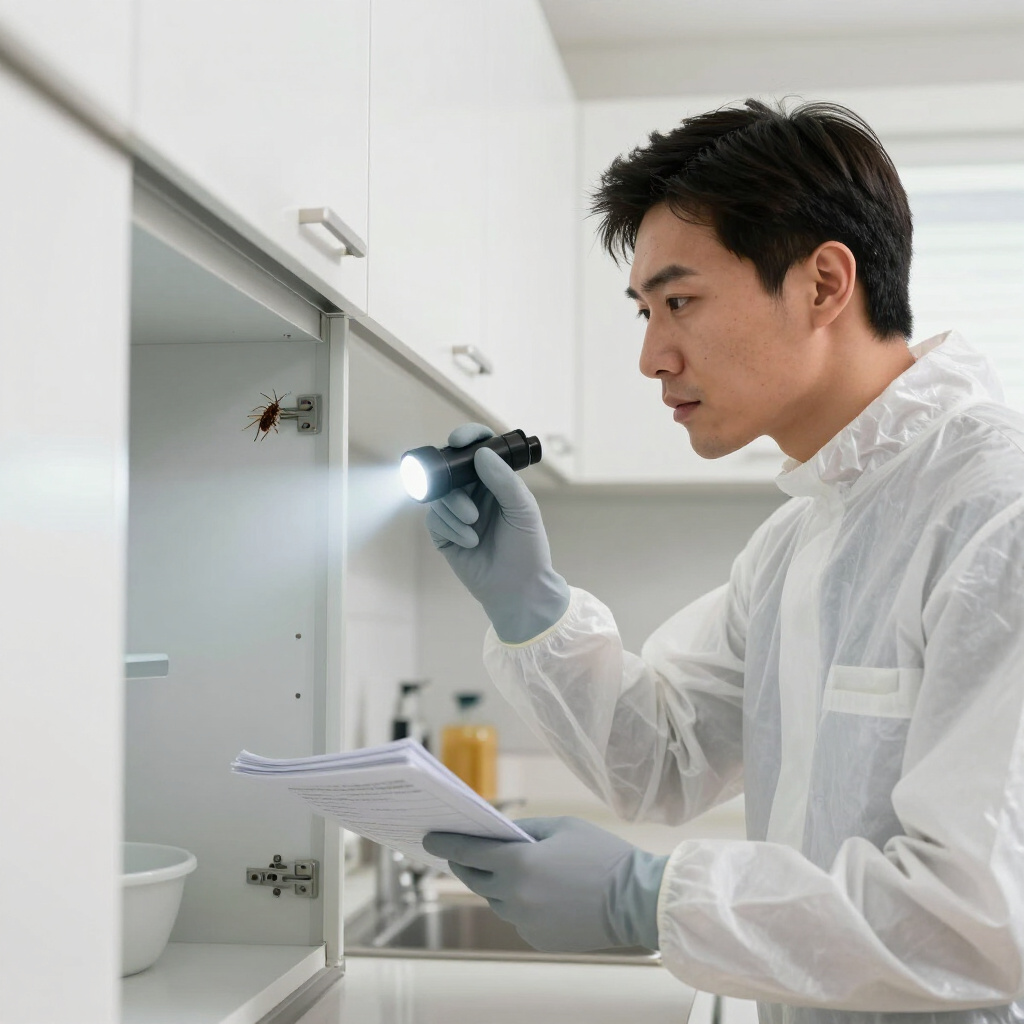
More homeowners than ever are searching for natural pest control methods that actually work—and it's easy to understand why. Whether you're concerned about children and pets, sensitive to chemical treatments, or simply want a more environmentally conscious approach, the good news is that effective solutions exist beyond conventional pesticides. The key is knowing which methods are genuinely effective and how to implement them strategically for your specific pest challenges.
Natural Pest Control Methods That Actually Work in Your Home
Effective natural pest control starts with understanding that "natural" doesn't mean passive or weak. The most successful approaches combine prevention, physical barriers, and targeted botanical treatments that have stood the test of time.
Essential oils with proven repellent properties form the backbone of many natural strategies. Peppermint oil effectively deters spiders, ants, and mice when applied to entry points and baseboards. Tea tree oil and eucalyptus work against dust mites and certain flying insects. For these to remain effective, reapplication every 7-10 days is essential, as volatile oils dissipate quickly. Always dilute properly—concentrated oils can damage surfaces and irritate skin.
Food-grade diatomaceous earth (DE) offers remarkable mechanical pest control without toxicity to mammals. This powder composed of fossilized algae damages the waxy exoskeletons of crawling insects like ants, cockroaches, and bed bugs, causing fatal dehydration. Apply a thin, visible layer along baseboards, behind appliances, and in wall voids. Choose food-grade DE specifically, and use a duster for even application. Reapply after vacuuming or if the powder becomes damp, as moisture renders it ineffective.
Boric acid and borax remain among the most reliable natural insecticides when used correctly. These mineral compounds disrupt insect digestion and nervous systems. A simple bait of borax mixed with sugar water attracts and eliminates sugar-feeding ants. For cockroaches, a paste of boric acid, flour, and bacon grease placed in cracks and crevices delivers consistent results. Keep all boron-based products away from children and pets, as they can be harmful if ingested in quantity.
Physical traps and barriers eliminate pests without any chemical input whatsoever. Sticky traps monitor and capture crawling insects, while pheromone traps specifically target pantry moths and certain beetles. Copper tape creates an effective barrier against slugs and snails in garden applications. Ultrasonic repellent devices show mixed scientific results, but many homeowners report success when combined with other methods.
Prevention Strategies That Reduce Pest Pressure Naturally
The most powerful natural pest control happens before problems develop. Exclusion—preventing pests from entering—is fundamentally more effective than managing established infestations.
Seal all potential entry points with attention to detail. Mice squeeze through gaps as small as a pencil diameter, while insects exploit even smaller openings. Use steel wool combined with caulk for rodent entry points, as they cannot chew through the metal fibers. Install door sweeps, repair damaged screens, and ensure vents have appropriate mesh coverings.
Moisture management dramatically reduces pest attractiveness. Fix leaking pipes promptly, improve ventilation in crawl spaces and attics, and ensure proper drainage around your foundation. Many pests including silverfish, centipedes, and cockroaches seek damp environments specifically.
Sanitation removes the food sources that sustain pest populations. Store dry goods in airtight glass or metal containers rather than original packaging. Clean crumbs and spills immediately, paying attention to often-overlooked areas like toaster crumb trays and under refrigerator coils. Take garbage out regularly and use bins with tight-fitting lids.
Landscaping choices influence pest pressure significantly. Maintain a vegetation-free zone of at least 12 inches around your foundation to discourage harborage. Trim tree branches away from rooflines to eliminate bridges for rodents and ants. Consider pest-repellent plants like lavender, rosemary, and marigolds for garden borders, though their effectiveness is generally limited to immediate proximity.
Key Tips for Maximizing Natural Method Effectiveness
Natural approaches require more active management than chemical treatments, but the trade-off is worthwhile for many households. Success depends on consistency and realistic expectations about timelines.
Combine multiple methods rather than relying on any single technique. A comprehensive approach might include essential oil barriers at entry points, diatomaceous earth in wall voids, meticulous sanitation, and strategic trap placement. This integrated strategy addresses pests from multiple angles and compensates for any individual method's limitations.
Be patient with natural treatments. While some physical methods like traps work immediately, botanical repellents and baits often require days or weeks to show full effect. Resist the temptation to abandon a method too quickly or to overload with excessive applications that waste product and create unnecessary exposure.
Identify your pest accurately before selecting treatments. What eliminates ants effectively may be irrelevant for fruit flies or fabric pests. Misidentification leads to wasted effort and prolonged problems. When uncertain, consult reputable identification resources or professional guidance.
Know when professional intervention becomes necessary. Natural methods excel for prevention and minor problems, but established infestations of termites, bed bugs, or extensive rodent populations typically require professional expertise. Many pest control companies now offer botanical or reduced-toxicity service options for concerned homeowners.
Document your efforts to determine what's working. Note dates of application, pest observations, and any changes in activity. This record helps refine your approach over time and identifies seasonal patterns in your home.
Final Thoughts
Natural pest control methods that actually work are available to every homeowner willing to apply them thoughtfully and consistently. The foundation of success lies in prevention through exclusion, sanitation, and moisture management, supplemented by targeted treatments like essential oils, diatomaceous earth, and physical controls when needed. These approaches demand more engagement than simply scheduling a chemical spray, but they offer meaningful benefits for households prioritizing environmental responsibility and reduced chemical exposure. Start with the strategies most applicable to your situation, build habits of vigilant prevention, and don't hesitate to seek professional guidance when natural methods reach their practical limits. Effective pest management is absolutely achievable through natural means—with the right knowledge and persistent application.