
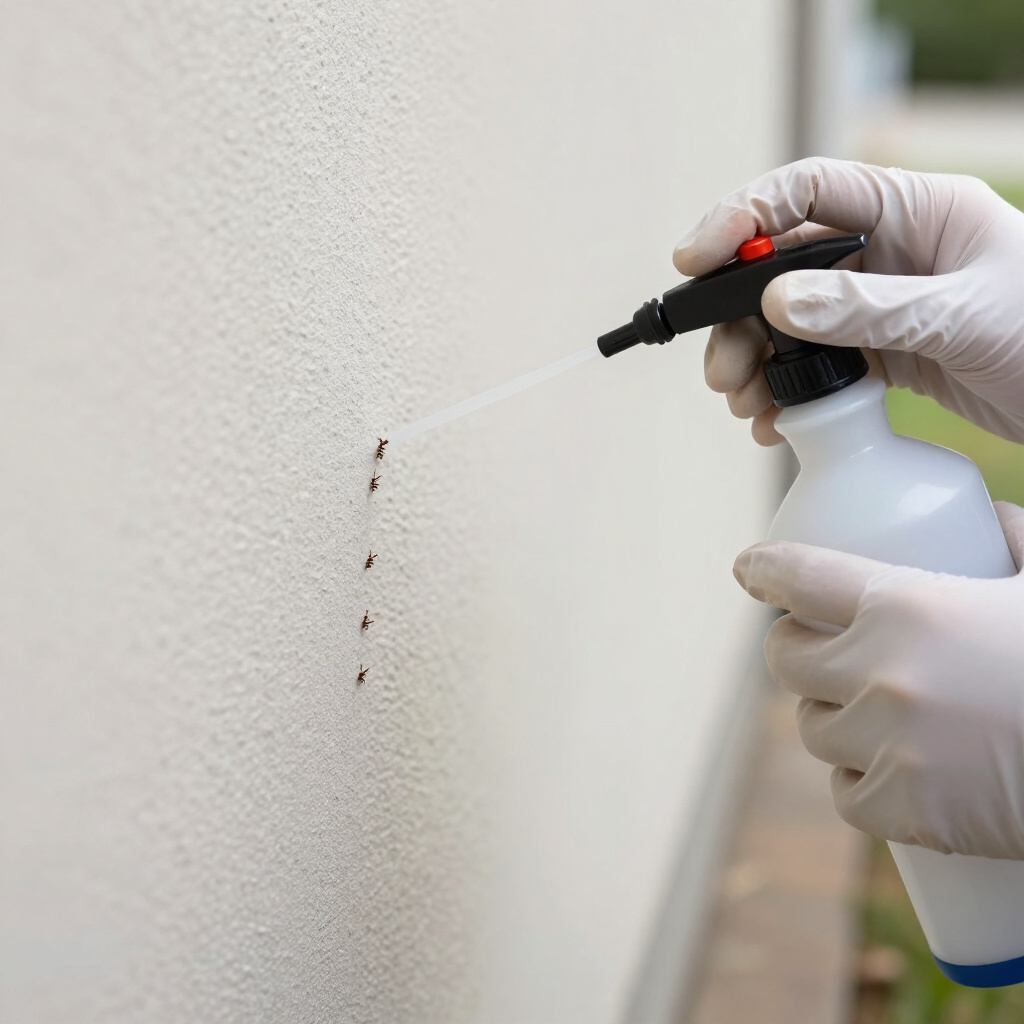

There's nothing quite like the sinking feeling of spotting a trail of ants marching across your kitchen counter or hearing the telltale scratching in your walls after dark. Household pests aren't just a nuisance—they can damage your property, contaminate your food, and even pose health risks to your family. The good news? Most infestations are entirely preventable with the right knowledge and a proactive approach. Whether you're dealing with a current pest problem or simply want to keep your home protected, understanding which invaders are most likely to show up and how to stop them is your best defense.
Most Common Household Pests and How to Prevent Them
Every region has its share of unwanted visitors, but some pests are nearly universal in their ability to find their way indoors. Knowing what attracts them and how they enter is the foundation of effective prevention.
Ants top the list of most common household pests and how to prevent them, and for good reason. These persistent foragers can detect the smallest crumb from impressive distances and will establish scent trails that bring hundreds of follower's right to your pantry. Sugar ants, carpenter ants, and odorous house ants each have their preferred foods, but all share one weakness: they're preventable. Keep countertops wiped down, store food in airtight containers, and address moisture issues like leaky faucets. Seal cracks around windows, doors, and your foundation with caulk, and trim back vegetation that touches your home's exterior.
Cockroaches thrive in warm, humid environments with easy access to food and water. These nocturnal pests multiply rapidly and can trigger allergies and asthma, particularly in children. Prevention centers on eliminating their basic needs. Fix plumbing leaks promptly, use dehumidifiers in damp basements, and never leave pet food out overnight. Pay special attention to the spaces behind appliances and under sinks where roaches love to hide. Boric acid powder in wall voids can serve as an effective, low-toxicity barrier when used carefully away from children and pets.
Mice and rats don't need much encouragement to move in—a hole the size of a dime is plenty for a mouse. Once inside, they gnaw on electrical wiring, insulation, and structural elements while contaminating surfaces with droppings. Prevent rodent entry by inspecting your home's exterior thoroughly, especially where utility lines enter. Steel wool stuffed into gaps provides an excellent deterrent since rodents can't chew through it. Keep firewood stacked away from your home, maintain tight-fitting lids on outdoor garbage cans, and eliminate clutter in garages and basements that offers nesting material.
Spiders generally prefer to avoid humans, but their presence often signals other pest activity since they're hunting the insects that have already moved in. Reducing spider populations starts with reducing their food source. Regular cleaning, including dusting ceiling corners and behind furniture, removes both prey insects and existing webs. Seal exterior cracks and ensure window screens are intact. Consider switching outdoor lighting to yellow bulbs, which attract fewer flying insects and, consequently, fewer hunting spiders.
Termites work silently and can cause devastating structural damage before you notice any sign of their presence. These wood-destroying insects need cellulose and moisture to survive. Prevention requires vigilance: maintain a gap between soil and any wood portions of your home, direct downspouts away from your foundation, and repair roof leaks immediately. Store lumber and firewood off the ground and away from your house. Annual professional inspections are strongly recommended, especially in warmer climates where termite pressure is highest.
Seasonal Pest Prevention Strategies
Pest pressures change throughout the year, and your prevention efforts should adapt accordingly.
Spring brings reproductive swarms of ants and termites, making this the ideal time for a thorough exterior inspection. Check for winter damage to screens, weatherstripping, and caulking. Clean gutters to prevent standing water that attracts mosquitoes and provides moisture that many pests need.
Summer heat drives pests indoors seeking cooler temperatures and water. Focus on moisture control inside your home, and maintain your yard to reduce harborage areas. Keep grass trimmed, remove leaf litter, and ensure proper drainage away from your foundation.
Fall is critical for prevention as rodents, spiders, and overwintering insects seek shelter from cooling temperatures. This is your last opportunity to seal entry points before pests become motivated to find winter quarters. Install door sweeps, repair damaged vents, and consider professional exclusion work for persistent problems.
Winter may seem quiet, but pests already inside continue breeding in protected environments. Use this time for deep cleaning in typically undisturbed areas, and monitor for signs of activity that might indicate an established infestation requiring professional intervention.
Key Tips for Long-Term Pest Management
Effective pest prevention isn't about a single dramatic action—it's about consistent habits and smart home maintenance.
Start with a regular inspection routine. Walk your property monthly, looking for new cracks, moisture problems, or signs of pest activity. Early detection makes any potential issue far easier to address. Keep a simple checklist so nothing gets overlooked during busy seasons.
Sanitation matters enormously. Even the most secure home will attract pests if food and water are readily available. Develop kitchen habits that eliminate attractants: clean dishes promptly, wipe down cooking surfaces after every meal, and store pantry items properly. Don't forget pet areas—loose kibble and water bowls are pest magnets.
Know when to call professionals. DIY prevention handles most routine situations beautifully, but certain scenarios warrant expert help: recurring infestations despite your efforts, signs of termite activity, rodent problems in hard-to-access areas, or any pest issue that causes you significant stress. Professional pest control technicians bring specialized tools, targeted treatments, and trained eyes that can identify conditions you might miss.
Consider integrated pest management principles in your approach. This means using the least invasive effective methods first, understanding pest biology rather than just reacting to sightings, and making your home inhospitable to pests through environmental modifications rather than relying solely on chemical treatments.
Final Thoughts
Protecting your home from common household pests and how to prevent them doesn't require paranoia or constant vigilance—just practical awareness and consistent habits. The pests that trouble homeowners most are successful because they exploit the small oversights we all make: a crumb left behind, a crack unsealed, a drip unrepaired. By addressing these fundamentals, you create an environment where pests simply can't thrive.
Remember that prevention is always more effective, less stressful, and more economical than dealing with an active infestation. Start with the strategies outlined here, adapt them to your specific home and region, and don't hesitate to partner with pest control professionals when situations exceed your comfort level or expertise. Your home should be a sanctuary for your family—not for uninvited guests with six legs, eight legs, or whiskers.