
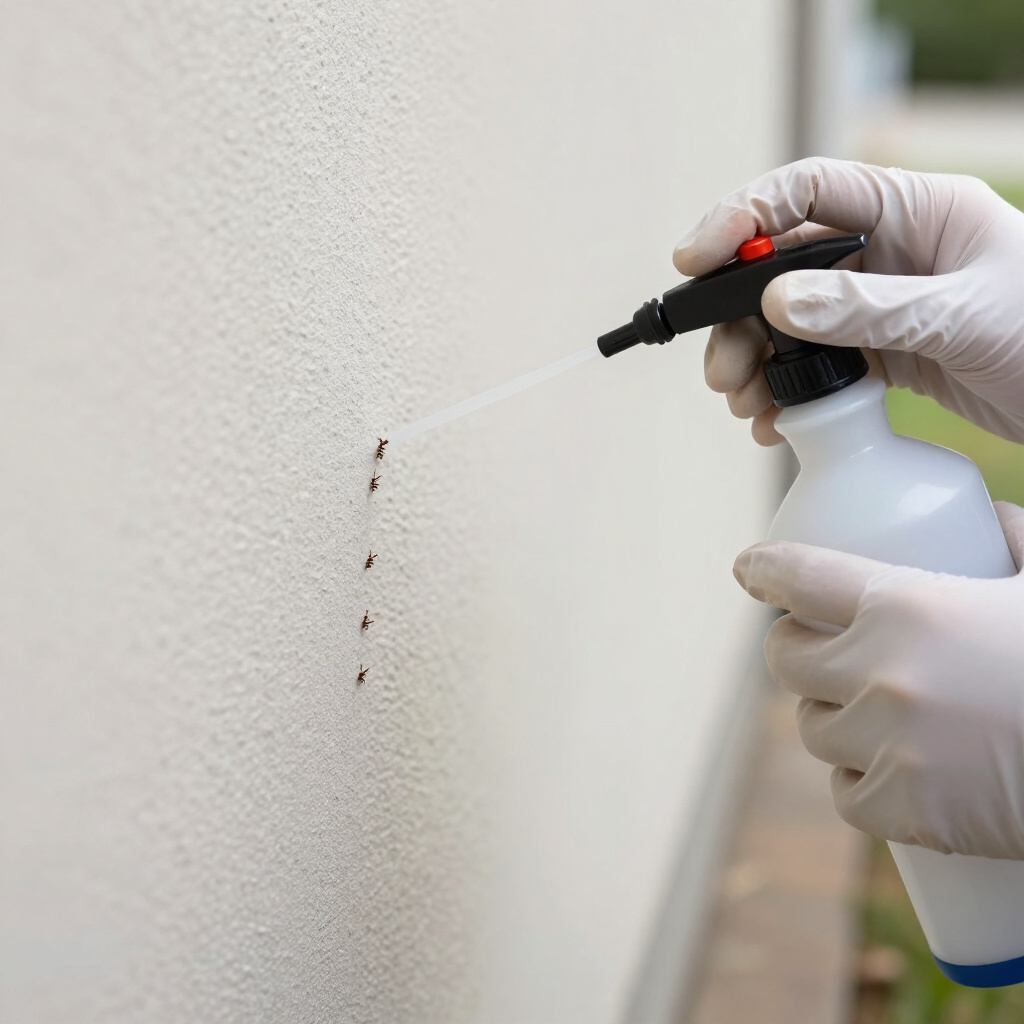

Few things disrupt the comfort of your home quite like turning on the kitchen light and discovering a steady column of ants marching across your countertop. What starts as a few curious scouts can quickly escalate into a full-blown infestation, with colonies establishing trails throughout your living spaces. The good news? Preventing ants from invading your home is entirely achievable with the right combination of vigilance, cleanliness, and strategic exclusion tactics. Whether you're dealing with persistent pavement ants, sweet-seeking odorous house ants, or wood-damaging carpenter ants, this guide will equip you with practical, proven methods to keep your home ant-free.
How to Prevent Ants From Invading Your Home Through Eliminating Food Sources
Ants are relentless foragers, and their entire survival strategy revolves around locating reliable food sources. Your first and most powerful line of defense is removing the attractions that draw them inside in the first place.
Start in your kitchen, where crumbs and spills create an open invitation. Wipe down countertops daily with soap and water, paying special attention to corners and beneath small appliances where debris accumulates. Store all pantry items—sugar, flour, cereals, pet food, and snacks—in airtight containers made of glass, metal, or thick plastic. Ants can penetrate thin plastic bags and cardboard with surprising ease, so flimsy packaging offers little protection.
Don't overlook your pet's feeding area. Dry kibble left in bowls overnight is a magnet for foraging ants. Establish a feeding schedule, remove uneaten food promptly, and clean bowls thoroughly after each meal. If you have outdoor pets, elevate their food dishes slightly and consider placing the legs in shallow dishes of soapy water to create a barrier ants cannot cross.
Your garbage and recycling routines matter tremendously. Use bins with tight-fitting lids, rinse recyclable containers before storing them, and take kitchen trash outside daily during warmer months. Even a small amount of residue on a soda can or food jar is enough to establish a persistent trail that ants will follow back to your home repeatedly.
Finally, address hidden food sources throughout your home. Clean behind the refrigerator and stove monthly, vacuum under furniture regularly, and promptly clean up any spills in dining areas, basements, or wherever family members eat.
Sealing Entry Points and Disrupting Ant Trails
Even immaculate cleanliness won't fully protect your home if ants can stroll inside through gaps and cracks. A thorough inspection and sealing effort dramatically reduces invasion opportunities.
Begin with a systematic walk around your home's exterior during daylight. Examine the foundation closely, looking for cracks, gaps where utilities enter, and spaces around windows and doors. Pay particular attention to areas where different building materials meet—these junction points often develop separations over time. Use silicone caulk for smaller cracks and expandable foam for larger gaps, ensuring a complete seal.
Windows and doors deserve special scrutiny. Replace worn weatherstripping, install door sweeps on exterior doors, and repair damaged screens promptly. Even gaps as narrow as a pencil's width can admit ants, so precision matters.
Indoors, inspect baseboards, electrical outlets, plumbing penetrations, and areas where pipes enter walls. These common highway systems allow ants to travel unseen through wall voids before emerging in search of food. Seal accessible openings with appropriate materials, keeping in mind that caulk works well for stationary joints while expandable foam accommodates some movement.
If you discover an active ant trail inside your home, resist the immediate urge to wipe it away with cleaner. Instead, follow the trail to identify where ants are entering and what they're accessing. This intelligence helps you seal the true entry point rather than forcing ants to establish an alternative route. Once you've identified their path, clean the trail thoroughly with soapy water or a vinegar solution to erase the pheromone markers that guide other colony members.
Key Tips for Long-Term Ant Prevention
Beyond the fundamentals of food elimination and entry sealing, several strategic practices significantly strengthen your ant defenses over time.
Manage moisture throughout your property. Ants require water to survive, and damp conditions attract many species while also supporting the decaying wood that carpenter ants prefer. Repair leaky faucets, pipes, and roof leaks promptly. Ensure gutters direct water away from your foundation, and improve drainage in areas where standing water collects. Inside, use dehumidifiers in damp basements and crawl spaces, and ventilate bathrooms and kitchens properly during and after use.
Maintain your landscape with ant prevention in mind. Trim tree branches and shrubs so they don't touch your home's exterior, eliminating natural bridges that ants use to bypass ground-level barriers. Keep mulch, firewood, and dense vegetation at least twelve inches from your foundation. These materials retain moisture and provide ideal nesting habitat. Store firewood on racks elevated above ground and well away from your home's walls.
Use targeted, judicious treatments when needed. Ant baits can be highly effective when placed along active trails, as foragers carry the slow-acting toxicant back to the colony, eventually eliminating the queen and entire nest. Choose baits appropriate for the ant species you're observing—protein-based baits for grease-preferring species, sugar-based for sweet-feeders. Place baits directly on trails, not randomly, and avoid spraying repellent insecticides nearby, which can disrupt bait acceptance. For perimeter protection, consider applying a non-repellent residual treatment around your foundation according to label directions, or engage a professional for this application.
Practice seasonal vigilance. Ant activity peaks during spring and summer, but indoor invasions often spike during fall as colonies seek stable conditions for overwintering. Increase your prevention efforts during these transition periods: seal more aggressively, clean more thoroughly, and inspect more frequently.
Know when professional intervention becomes necessary. If you're seeing large numbers of winged ants indoors, finding consistent sawdust-like frass near wooden structures, or experiencing recurring invasions despite diligent prevention, you may be dealing with an established colony inside your walls or structural elements. Carpenter ants in particular warrant prompt professional assessment, as their nesting activity can compromise wooden structures over time.
Final Thoughts
Preventing ants from invading your home ultimately comes down to making your property inhospitable while eliminating the pathways that allow access. No single tactic provides complete protection, but the layered approach of rigorous cleanliness, meticulous sealing, moisture management, and smart landscaping creates formidable defenses that most ant colonies will abandon in favor of easier targets.
Consistency matters more than intensity. Brief, regular attention to prevention—wiping counters nightly, taking trash out promptly, inspecting seals seasonally—prevents the small oversights that escalate into major problems. Stay observant, act quickly when you spot early signs of ant interest, and don't hesitate to bring in professional expertise when circumstances exceed comfortable DIY management. Your home should feel like your sanctuary, not a shared space with thousands of tiny uninvited guests.