

There's something unsettling about walking into a room and spotting a spider dangling from the ceiling or scurrying across the floor. While most household spiders are harmless and even help control other pests, that knowledge rarely calms the instinctive reaction many of us feel. The good news? You don't have to share your living space with eight-legged roommates. With a few practical, proven strategies, you can make your home far less inviting to spiders and keep them where they belong—outside.
How to Keep Spiders Out of Your House by Sealing Entry Points
Spiders are master contortionists, capable of squeezing through gaps you'd barely notice. The most effective long-term solution starts with making it physically difficult for them to get inside. Begin with a thorough inspection of your home's exterior, paying special attention to the foundation, window frames, door thresholds, and areas where utility lines enter.
Weather stripping around doors and windows degrades over time, creating welcome mats for spiders and other pests. Replace worn strips and install door sweeps if you can see light streaming underneath. Use caulk to seal cracks in the foundation, gaps around pipes, and spaces between siding and trim. Don't overlook vents and chimney openings—these should be covered with fine mesh screens that allow airflow while blocking entry.
Inside, check baseboards, floorboards, and the areas behind appliances. Even tiny openings around electrical outlets or plumbing fixtures can serve as spider highways. A tube of caulk and an afternoon of attentive work can dramatically reduce your home's accessibility to spiders seeking shelter.
Reduce the Conditions That Attract Spiders
Spiders don't enter homes by accident—they're following food, moisture, and shelter. Understanding what draws them in helps you eliminate the incentives. The number one attraction? Other insects. Spiders are predators, and a home with abundant flies, moths, ants, or other small bugs is essentially an all-you-can-eat buffet.
Address your broader pest control to remove this food source. Keep kitchen counters clean, store food in sealed containers, take out garbage regularly, and fix any leaky faucets that create water sources for insects. Consider yellow or sodium vapor lights for outdoor fixtures, as these attract fewer flying insects than standard white bulbs.
Moisture matters too. Spiders prefer humid environments, so improve ventilation in bathrooms, basements, and crawl spaces. Use dehumidifiers in persistently damp areas, and ensure gutters direct water away from your foundation. Clutter provides hiding spots for both spiders and their prey, so minimize cardboard boxes, piles of newspapers, and undisturbed storage in garages, attics, and basements.
Your landscaping choices also influence spider activity near your home. Trim shrubs, trees, and vegetation so nothing touches your exterior walls or roof—spiders use these as bridges. Keep firewood stacked at least twenty feet from your house and elevated off the ground. Remove leaf litter, mulch buildup, and other debris that harbors insects and the spiders that hunt them.
Key Tips for Ongoing Spider Prevention
Once you've sealed entry points and reduced attractants, maintain your defenses with consistent habits. Regular cleaning disrupts spider habitats and removes the webs that signal a welcoming environment. Vacuum corners, ceilings, behind furniture, and other undisturbed areas weekly. Pay special attention to window sills, room corners, and storage areas where spiders commonly establish themselves.
When you do spot a web, remove it promptly with a vacuum or broom. This forces spiders to expend energy rebuilding rather than hunting and reproducing. Don't forget outdoor web removal around porches, eaves, and light fixtures, as these exterior populations often migrate indoors when conditions change.
Natural deterrents offer additional protection for those preferring to avoid chemical treatments. Essential oils—particularly peppermint, tea tree, eucalyptus, and lavender—can discourage spiders when diluted with water and sprayed along baseboards, entry points, and known spider paths. Vinegar solutions work similarly, though the smell dissipates quickly and requires frequent reapplication. Diatomaceous earth, a fine powder made from fossilized organisms, can be sprinkled in dry, undisturbed areas; it abrades spiders' exoskeletons and causes dehydration, but must remain dry to remain effective.
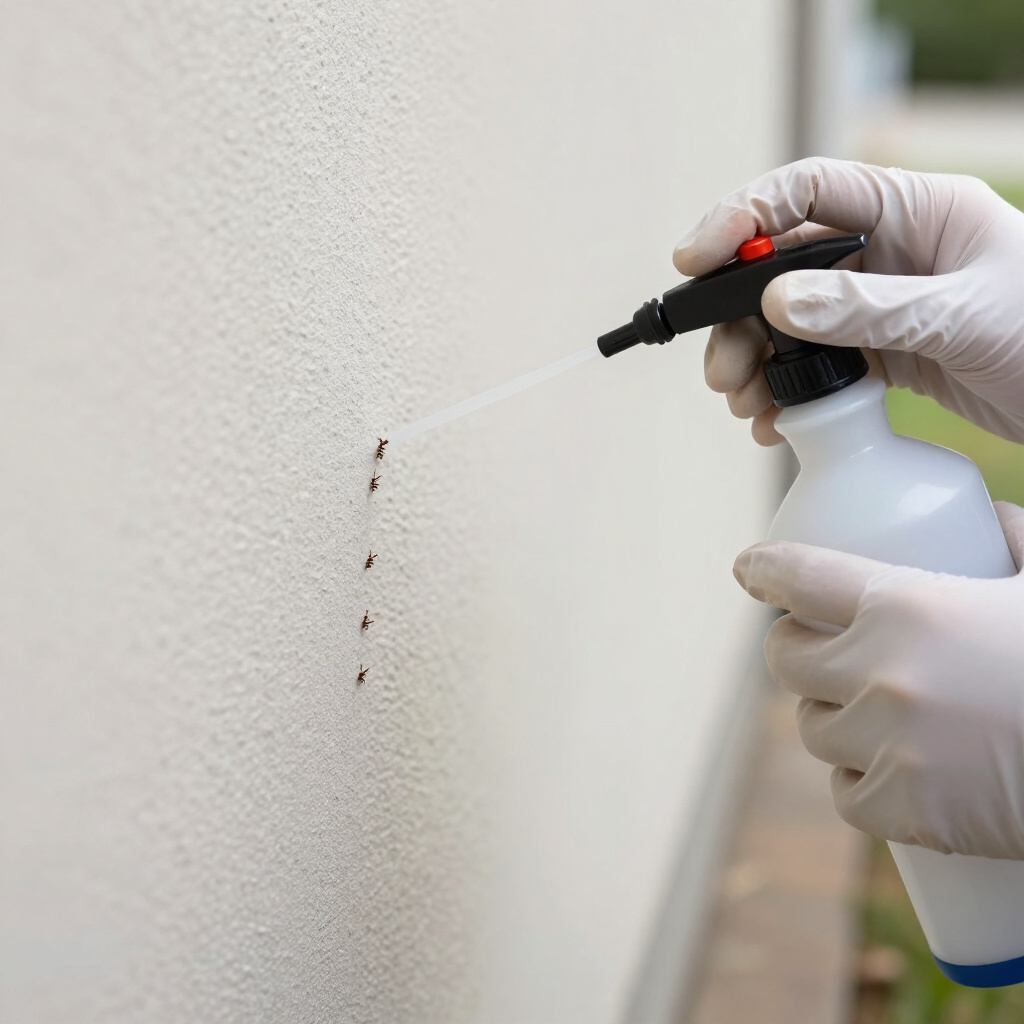
For persistent problems or if you're dealing with potentially dangerous species in your region, professional perimeter treatments create a chemical barrier that significantly reduces spider entry. These treatments are typically applied to foundation walls, door and window frames, and other exterior access points, with interior spot treatments as needed. A qualified pest control professional can identify the specific species present and tailor an approach that addresses both the spiders and their prey.
Finally, manage your expectations about complete elimination. Seeing an occasional spider is normal and even beneficial—they do control other pests. The goal is reduction to comfortable levels, not creating an impossible standard that leads to frustration and over-treatment.
Final Thoughts
Learning how to keep spiders out of your house comes down to three interconnected strategies: exclusion, environmental management, and consistent maintenance. No single tactic works in isolation, but together they create conditions where spiders naturally choose other locations over your living space. Start with the structural improvements that seal entry points, then address the moisture, clutter, and insect populations that sustain spider life indoors. Stay vigilant with regular cleaning and web removal, and don't hesitate to bring in professional help when your efforts need reinforcement.
The most successful approach treats spider control as an ongoing practice rather than a one-time fix. Seasons change, weather strips wear, and new vulnerabilities develop. By staying attentive and proactive, you can enjoy a home that feels genuinely yours—without unexpected eight-legged encounters around every corner.