
Finding a cockroach scurrying across your kitchen floor is enough to make anyone's skin crawl. These resilient pests multiply quickly, contaminate food, and can trigger allergies and asthma. The good news? You don't have to live with them. With the right combination of immediate action and strategic prevention, you can reclaim your home. Here's how to get rid of cockroaches fast and keep them from coming back.
How to Get Rid of Cockroaches Fast With Immediate Action
When you're dealing with an active infestation, speed matters. Cockroaches are nocturnal, so seeing one during the day often means many more are hiding in walls, cabinets, and appliances. Start by eliminating what attracts them most: food, water, and shelter.
Clean every surface thoroughly. Wipe down counters, sweep floors, and vacuum crumbs from under appliances and inside cabinets. Don't forget the often-overlooked spots—behind the refrigerator, under the stove, and around the garbage disposal. Store all food in airtight containers, including pet food. Even a small spill in the pantry can sustain a colony.
Eliminate water sources next. Fix leaky faucets, dry out sinks before bed, and address any condensation issues. Cockroaches can survive weeks without food but only days without water, making moisture control one of your most powerful weapons.
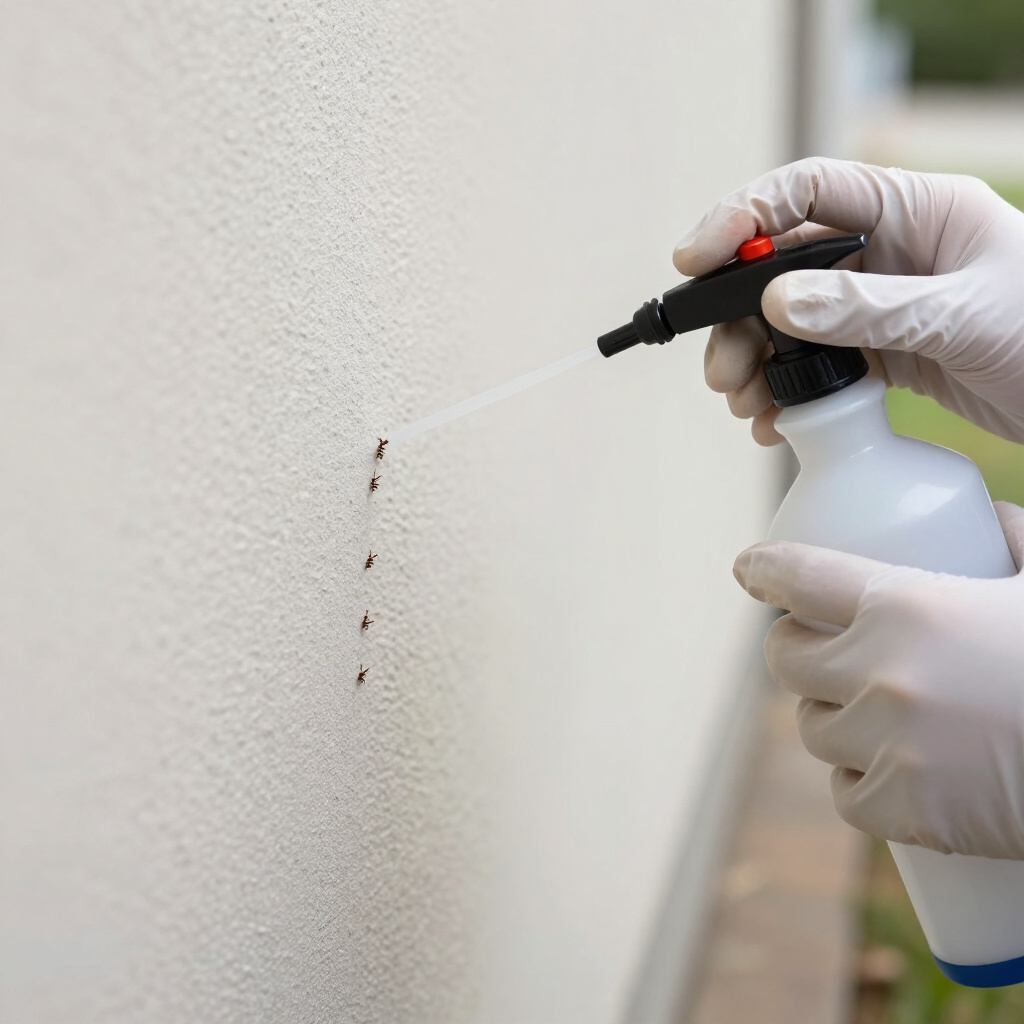
For rapid knockdown, use a combination approach. Gel baits placed in cracks and crevices work exceptionally well because roaches eat the poison and carry it back to their harborage, killing others through contact and ingestion. Place bait dots under sinks, behind appliances, in cabinet corners, and along baseboards. Insecticidal dusts like boric acid or diatomaceous earth provide longer-term residual control in wall voids and behind outlets. Use sprays sparingly and strategically—overuse can repel roaches away from baits, making your efforts less effective.
Target Their Hiding Spots
Cockroaches are compression artists, flattening their bodies to slip through gaps as thin as a dime. This means your home likely has dozens of entry points and hiding spots you've never considered.
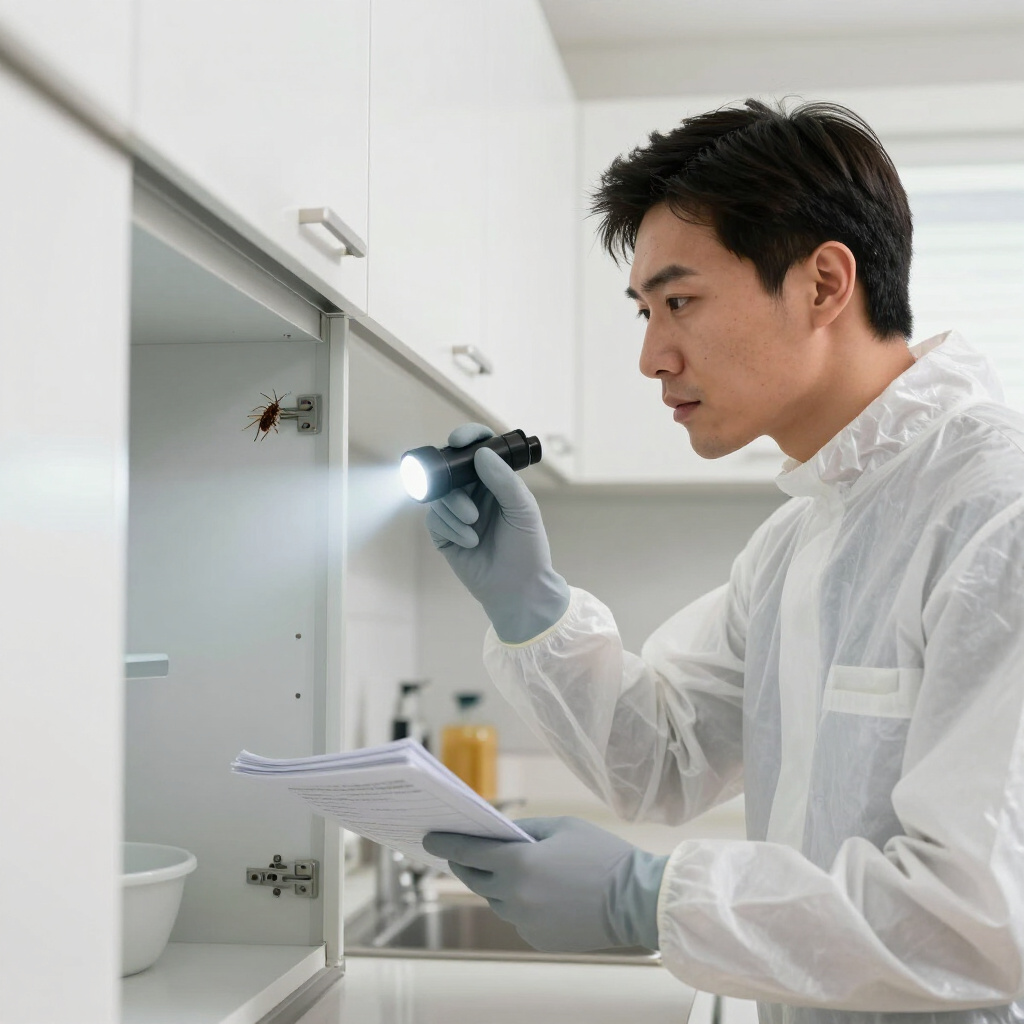
Conduct a thorough inspection with a flashlight. Focus on warm, humid areas near food sources. Kitchens and bathrooms are obvious targets, but don't overlook laundry rooms, basements, and areas around water heaters. Check behind picture frames, inside electronics, under rubber mats, and within stacked cardboard boxes—roaches love the glue and cellulose.
Seal every gap you find. Use caulk around pipes, weatherstripping around doors, and steel wool for larger openings. Pay special attention to where utilities enter your home and where cabinets meet walls. The fewer harborage options roaches have, the faster your control efforts will work.
For severe infestations, consider using insect growth regulators (IGRs). These synthetic hormones prevent immature roaches from reaching adulthood, effectively stopping reproduction. When combined with baits and sanitation, IGRs can collapse an entire population within weeks rather than months.
Key Tips for Long-Term Prevention
Eliminating the current infestation is only half the battle. Keeping roaches out requires consistent habits and smart home maintenance.
Make decluttering a priority. Piles of newspapers, cardboard boxes, and unused items create perfect harborage. Switch to plastic storage containers with tight-fitting lids. In your kitchen, avoid leaving dishes in the sink overnight and take out garbage daily. Use trash cans with lids and keep them away from walls when possible.
Monitor your success with glue boards placed in suspected activity areas. These simple tools reveal where roaches are still traveling and help you adjust your strategy. A reduction in catch numbers over two to three weeks signals your program is working. If numbers stay steady or increase, you may need professional intervention.
Be cautious with DIY remedies you've seen online. While baking soda and sugar mixtures can kill some roaches, they're inconsistent and won't address a true infestation. Essential oils may repel roaches temporarily but won't eliminate established populations. Similarly, ultrasonic devices have no proven effectiveness against cockroaches. Stick with methods backed by entomological research for reliable results.
Outdoor maintenance matters too. Trim vegetation away from your foundation, clear leaf litter, and ensure gutters drain properly. Firewood should be stored off the ground and well away from your house. These steps reduce the surrounding population that might otherwise migrate indoors.
Final Thoughts
Learning how to get rid of cockroaches fast comes down to understanding their biology and exploiting their weaknesses. These pests need food, water, and shelter to thrive—remove those necessities, deliver targeted treatments to their hiding spots, and seal their pathways inside. Most homeowners who combine thorough sanitation with strategic baiting and exclusion see significant improvement within two to four weeks.
However, some situations demand professional expertise. If you're seeing roaches throughout multiple rooms, finding egg cases (small, brown, purse-shaped capsules), or live in an attached building where neighbors may be contributing to the problem, DIY methods may not suffice. Pest control professionals have access to commercial-grade products, specialized equipment for wall void treatments, and the training to identify species-specific behaviors that inform treatment selection.
The most expensive approach is waiting. Cockroaches reproduce rapidly, and small problems become major infestations in a matter of weeks. Take action today, stay consistent with prevention, and you'll protect both your home and your peace of mind.